

Having a kidney stone is an experience you’ll never forget. The excruciating lower back pain, fever and chills, and painful urination can leave you sidelined for days if not weeks. It’s no wonder then that many kidney stone sufferers take steps to live healthier lifestyles.
Though there’s no way to prevent kidney stones altogether, eating a kidney-friendly diet significantly lowers your risk. Consuming more of certain foods and avoiding others can reduce the risk of stone formation and keep your urinary health in top shape.
To learn more about the best foods for kidney stones, we reached out to several experts, including Melanie Betz, MS, RD, CSR, FAND, “The Kidney Dietitian” and Chrissy Arsenault, MBA, RD, a Colorado-based registered dietitian at Athletic Muscle who’s been featured in Forbes, HGTV, and more. Betz and Arsenault both say that proper nutrition is key to improved kidney health. Here’s what you need to know:
What Are Kidney Stones?
Kidney stones form when certain minerals collect in your urinary system and stick together. About one in 10 men and one in 35 women will experience a kidney stone at some time during their life, usually between the ages of 40-60.
“Certain substances in the urine, such as calcium, oxalate, and uric acid can become highly concentrated and form crystals,” Arsenault explains. “Over time, these crystals can join together and develop into a solid mass known as a kidney stone.”
Small kidney stones often pass in the urine and present few problems. But large kidney stones can get stuck in the ureters –– thin tubes that transport urine from the kidneys to the bladder –– resulting in pain, infection, and difficulty urinating.
How Does Diet Contribute to Kidney Stones?
Your diet directly contributes to your risk of kidney stones. “Consuming foods high in oxalates, calcium, and purines can increase the risk,” Arsenault says. “Oxalates are found in foods like spinach, beets, and nuts, while calcium-rich foods include dairy products. Purines are present in red meat, seafood, and alcohol.”
What You’ll Need:
The best way to prevent kidney stones is to eat a balanced, nutritious diet.
“The foods you eat directly contribute to kidney stones because the waste from those items ends up in your urine,” says “Betz. “Eating a diet that doesn’t have enough calcium in it or one with too much salt are common ways that food contributes to kidney stones.”
She continues, “There is NO single diet for kidney stones. Nutrition is different for each person, even with the same KIND of kidney stone. To know what is really causing your stones, you must get a 24-hour urine test. [If you have a history of kidney stones] your urologist should order this test at least annually. Based on these results, your doctor or a registered dietitian can come up with a personalized kidney stone prevention plan.”
The Best Foods for Kidney Stones
1) Citrus Fruits
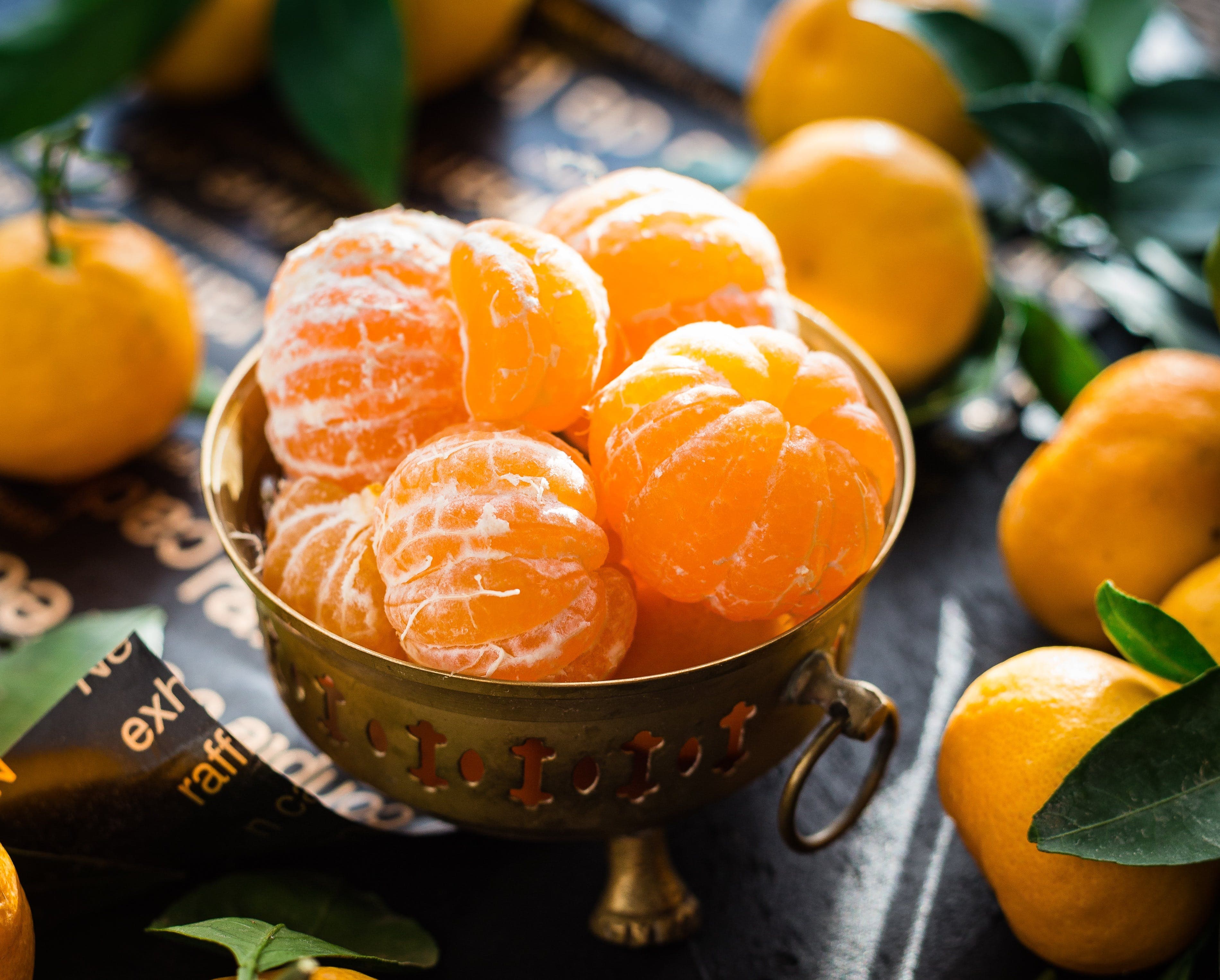
Citrus fruits, like oranges, grapefruits, lemons, and limes contain citrate an organic compound that binds to urinary calcium. Citrate’s unique properties reduce the risk of calcium buildup and prevent certain types of kidney stones from forming.
Whenever possible, include a side of citrus with your meals. For example, have half a grapefruit alongside a bowl of cereal for breakfast or a navel orange for dessert after lunch.
2) Calcium-Rich Foods
Calcium is an important part of any diet, especially if you have a history of kidney stones. Research shows that regularly consuming calcium decreases urinary oxalate secretion. Oxalate is a natural byproduct of your metabolism. It exits your body in urine, but when oxalate levels remain high, it can combine with calcium to form kidney stones.
Dairy products are an excellent source of calcium, including:
Milk
Yogurt
Cottage cheese
Parmesan cheese
There are vegan and vegetarian sources of calcium, too, including:
Spinach
Almonds
Oranges
Broccoli
Edamame
Tofu
3) Foods Rich in Vitamin D
Vitamin D helps your body absorb calcium, so you’ll want to include it in your diet as well. The best source of vitamin D is the sun’s ultraviolet (UV) rays, but it’s present in many foods as well. Some to try: fatty fish, including salmon, swordfish, tuna, and sardines. Another excellent addition to your fridge –– orange juice fortified with vitamin D.
4) Magnesium-Rich Foods
Magnesium is an essential mineral responsible for various bodily processes. It contributes to nerve, muscle, and bone health and also helps regulate blood sugar. Like calcium, magnesium binds to oxalate in your digestive tract. This unique ability makes it adept at preventing kidney stones from forming.
Foods that contain magnesium include:
Spinach
Broccoli
Apples
Carrots
Bananas
Edamame
Raisins
Pumpkin seeds
Peanut butter
Potatoes
The National Institutes of Health (NIH) recommends that men 51 and older get 420 milligrams of magnesium daily and women 51 and older get 320 milligrams daily. Consider taking a magnesium supplement if your diet doesn’t contain many of the aforementioned foods.
5) Stay Hydrated
Drinking plenty of water is essential for good physical health, but it also helps prevent kidney stones. Consider that a lack of fluid intake is one of the most common causes of kidney stone formation. Lack of fluids causes your urine to become concentrated, causing crystals to form and harden.
“Drinking plenty of water helps dilute substances in your urine, reducing the risk of kidney stone formation,” Arsenault explains.
Betz agrees, adding that “you should also avoid sugary drinks. Beverages like soda, sweet tea, fruit punch, and most juices are associated with a higher risk of kidney stones. It’s best to stick to water for most of your fluid.”
Try to drink at least eight, eight-ounce glasses of water daily (or more if you’re physically active). Adding a squeeze of lemon or lime boosts the flavor and provides citrate.
Foods to Avoid if You Have Kidney Stones
“More than 10% of Americans will have a kidney stone at some point in their life –– that’s more than the number of people who have diabetes,” says Betz. “Unfortunately, once you have a kidney stone, you have a 50% chance of getting another one, so it’s important to focus on prevention.”
The easiest way to do that is to avoid or eliminate certain foods from your diet, including:
1) Salty Foods
“Avoiding very salty foods is important for people who are at risk of kidney stones,” Betz explains. “When you eat too much salt (more than 2,300 mg/daily) it raises the level of calcium in your urine and high urine calcium is the biggest cause of kidney stones.”
Foods with lots of salt include:
Smoked, cured, and salted meats (e.g., bacon, lunch meat, and spam)
Frozen meals and TV dinners
Fast food
Salad dressing
Canned pasta sauce
Pickled foods
Soy sauce
Salted nuts
Canned entrees (e.g., ravioli, spaghetti-Os, etc.)
One of the easiest ways to reduce your salt intake is to start making your meals at home. Some restaurant meals contain 2,300 milligrams of salt or more –– that’s the recommended amount of salt for an entire day’s worth of food!
2) Animal Proteins
You don’t have to eat a vegan or a vegetarian diet to keep your kidneys healthy, but you don’t want to go overboard on meat either.
“Animal proteins, like red meat, poultry, and seafood can increase uric acid production, contributing to the formation of stones,” says Arsenault. Try balancing things out by substituting meat with plant-based proteins. For example, lentils, beans, and tofu are protein-dense but much easier on your kidneys.
3) High-Oxalate Foods
Foods rich in oxalates are some of the biggest contributors to kidney stones, so it’s important to eat them in moderation. These foods include:
Beets
Cranberries
Whole wheat bread
Bulgar wheat
Refried beans
French fries
Dark beer
Best Foods for Kidney Stones - The Bottom Line
Don’t wait to change your diet if you or your loved one have kidney stones. Small nutritional changes can help your body better process waste and prevent kidney stones from forming.
Do you have questions about kidney-friendly foods? We’d love to help! Our friendly Care Specialists speak English and Spanish and are available around the clock. They’re knowledgeable about all of the products we carry and can help point you in the right direction. Call (800) 696-CARE or send an email to support@carewell.com today.
Best Foods For Kidney Stones - Commonly Asked Questions
1) How can I assess my kidney function?
The easiest, most effective way to assess your kidney function is with a 24-hour urine test.
“Surprisingly, only 20% of people with kidney stones ever get a 24-hour urine test, despite it being recommended by the American Urological Association’s guidelines for the management of kidney stones,” Betz says. “Without this test, and a doctor or a registered dietitian well-versed in understanding it, it’s impossible to know what YOU can do to prevent kidney stones.”
2) Are kidney stones preventable?
Yes! Kidney stones aren’t inevitable. Staying hydrated, eating specific foods, and avoiding others can significantly lower your risk.
3) What are the symptoms of kidney stones?
Kidney stones are incredibly painful. In fact, the pain they cause is comparable to childbirth. Other telltale signs of kidney stones include:
Nausea and/or vomiting
Needing to urinate more often
Being unable to urinate
Fever or chills
Blood in your urine
Don’t wait to seek treatment if you or your loved one develop any of these symptoms.
Other Articles You May Like

How to Keep Your Kidneys Healthy
Most of us take our kidneys for granted; as long as they function, we rarely think about them. But if you’re one of the 37 million Americans with kidney disease, they’re a top priority. Even if your kidneys are healthy, keeping them that way is essential. Below, we highlight some tips for doing just that.
Read More>
How to Create a Meal Plan
As a family caregiver, your work is never done. Whether you’re taking your loved one to doctor’s appointments or helping them get dressed, the demands on your time are never-ending.
Read More>