

Our 5 Tips for Managing a Loved One's Medications Safely
Written by Carewell Team on Thu Sep 11 2025.

Medication management is one of the most critical responsibilities a caregiver can have. Whether your loved one takes a single daily pill or has a complex regimen of multiple prescriptions, over-the-counter drugs, and supplements, keeping everything organized and accurate is essential for their health and safety. Medication errors can have serious consequences, from adverse side effects to hospitalization.
To help you navigate this important task with confidence, here are five key tips for managing a loved one's medications safely and effectively.
1. Maintain a complete and up-to-date medication list
This is the cornerstone of safe medication management. Create a master list that includes every medication your loved one takes, including prescription drugs, over-the-counter products, vitamins, and herbal supplements. For each item, note:
The name of the medication.
The dosage (e.g., 500 mg).
The frequency and time it should be taken.
The reason it was prescribed.
The prescribing doctor.
Keep this list in a central, accessible location and bring a copy to every doctor's appointment. This simple practice ensures all healthcare providers are aware of your loved one's full medication profile, helping to prevent dangerous drug interactions.
2. Use a pill organizer
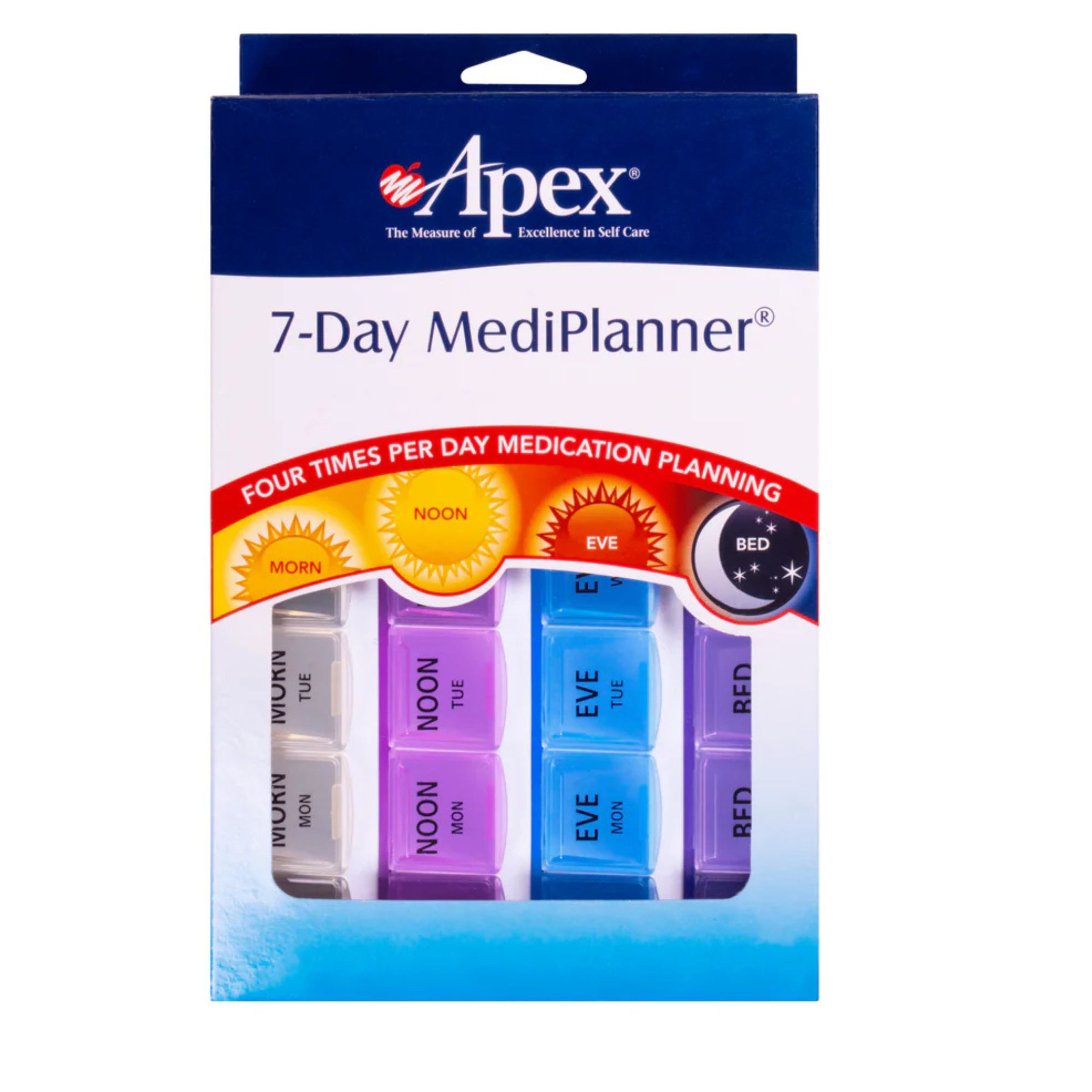
Pill organizers are invaluable tools for simplifying a medication schedule. Choose one that has compartments for each day of the week, and if necessary, for different times of the day (e.g., morning, noon, evening, bedtime). By preparing the pills for the entire week in advance, you can see at a glance if a dose has been missed. This reduces the risk of confusion and helps ensure consistency. For more complex schedules, consider using a pill organizer with alarms or reminders.
3. Store medications properly and safely
Where and how you store medications can impact their effectiveness and safety. Always follow the storage instructions on the label. Most medications should be kept in a cool, dry place away from direct sunlight and heat. Avoid storing them in a bathroom cabinet, where humidity and temperature fluctuations can degrade the medication. If your loved one takes controlled substances or has young children or pets in the home, be sure to store all medications in a locked cabinet or secure location to prevent accidental ingestion.
4. Talk to the pharmacist and doctor
Your pharmacist is a key partner in medication management. Before leaving the pharmacy, confirm that the prescription matches what the doctor ordered. Ask about any potential side effects, food or drink interactions (like with grapefruit juice or alcohol), and what to do if a dose is missed. It’s also wise to use one primary pharmacy for all prescriptions. This allows the pharmacist to maintain a complete record and automatically check for potential drug-to-drug interactions.
5. Create a routine and use reminders
Consistency is key. Help your loved one establish a daily routine for taking their medications, perhaps associating it with a regular event like breakfast or bedtime. To ensure no dose is missed, use reminders. You can set alarms on a phone, use a medication reminder app, or even use a simple logbook or chart to check off each dose as it's taken. This system provides peace of mind and a clear record of compliance.
Conclusion
Effective medication management is a cornerstone of safe and reliable caregiving. By implementing these tips—from maintaining a comprehensive list to using a pill organizer and leveraging your pharmacist's expertise—you can significantly reduce the risk of errors and ensure your loved one gets the most benefit from their medications. Taking a proactive and organized approach not only enhances their well-being but also brings you confidence and peace of mind.
Need assistance? Our Customer Care Team is here to help!
Managing a loved one's medications can be complex. If you have any questions about specific products, organizing tools, or need guidance on creating a medication management system, please don't hesitate to reach out to our dedicated customer care team at 800-696-2273 or by emailing support@carewell.com. Contact us for personalized advice and support on your caregiving journey.
Other Articles You May Like

The 5 Best Vitamin B12 Supplements of 2025
Vitamin B12 is one of the five essential vitamins and minerals recommended for adults over age 50 (the other four being Vitamin D, Calcium, Magnesium, and Potassium.) Its two main purposes are to help your body make DNA (the genetic material in your cells) and to help with the development of brain and nerve cells.
Read More>
OTC Medicine: Can You Buy Over The Counter Online?
Thanks to the rise of smartphones, tablets, and other web-based technologies, many OTC drugs can now be purchased online. In this blog post, we take a closer look at OTC medications, explain some of their benefits, and highlight a few of our best-selling products.

Medically Reviewed by Kiera Powell, R.N.