

The Top 10 Products You Need in a Caregiver's First-Aid Kit
0Written by Carewell Team on Thu Sep 11 2025.
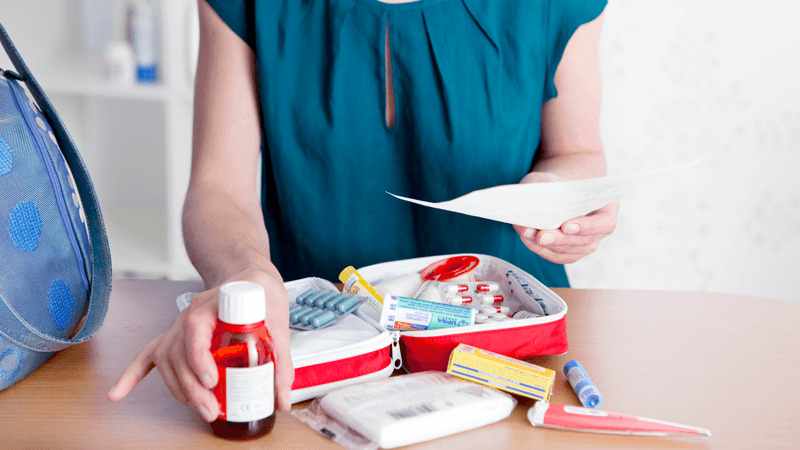
As a caregiver, you're the first line of defense in an emergency. Being prepared for the unexpected, from minor scrapes to more serious incidents, is a critical part of providing safe and effective care. A well-stocked first-aid kit can give you peace of mind and the tools you need to act quickly.
While a basic store-bought kit is a great starting point, a caregiver’s first-aid kit should be customized to the unique needs of the person you're caring for. Here are the top 10 products and items you should include.
1. Assorted bandages and medical tape
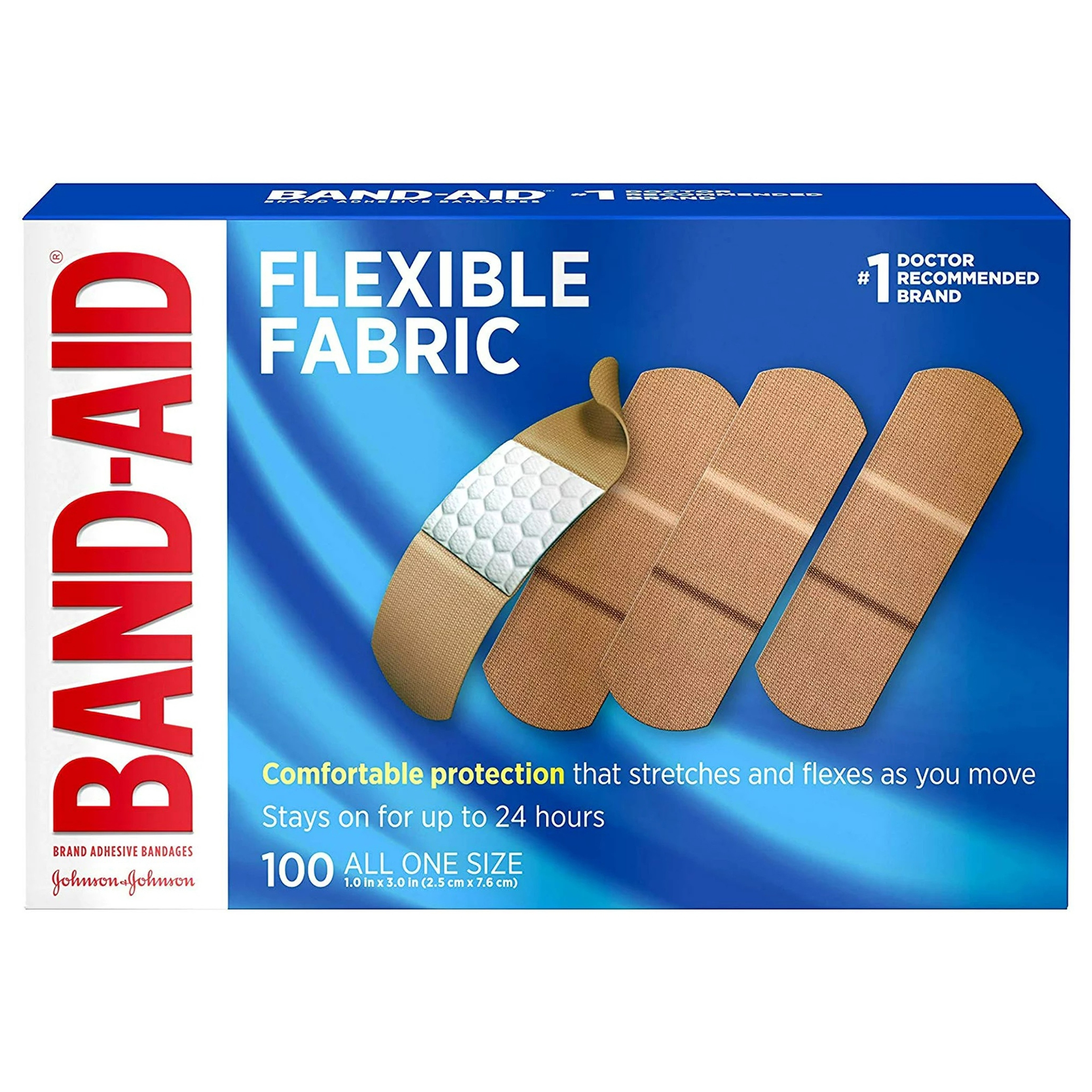
Bandages of various sizes are a must-have for cuts and scrapes. For more sensitive or fragile skin, consider using silicone adhesives or paper tape, which are less likely to cause irritation or skin tears.

2. Sterile gauze pads
Gauze pads are essential for cleaning and covering larger wounds. You can also use roller gauze to secure dressings and provide light compression.

3. Antiseptic wipes and ointment
Antiseptic wipes or a solution (like rubbing alcohol or hydrogen peroxide) are crucial for cleaning wounds to prevent infection. Follow up with an antibiotic ointment to create a protective barrier.

4. Medical-grade scissors and tweezers
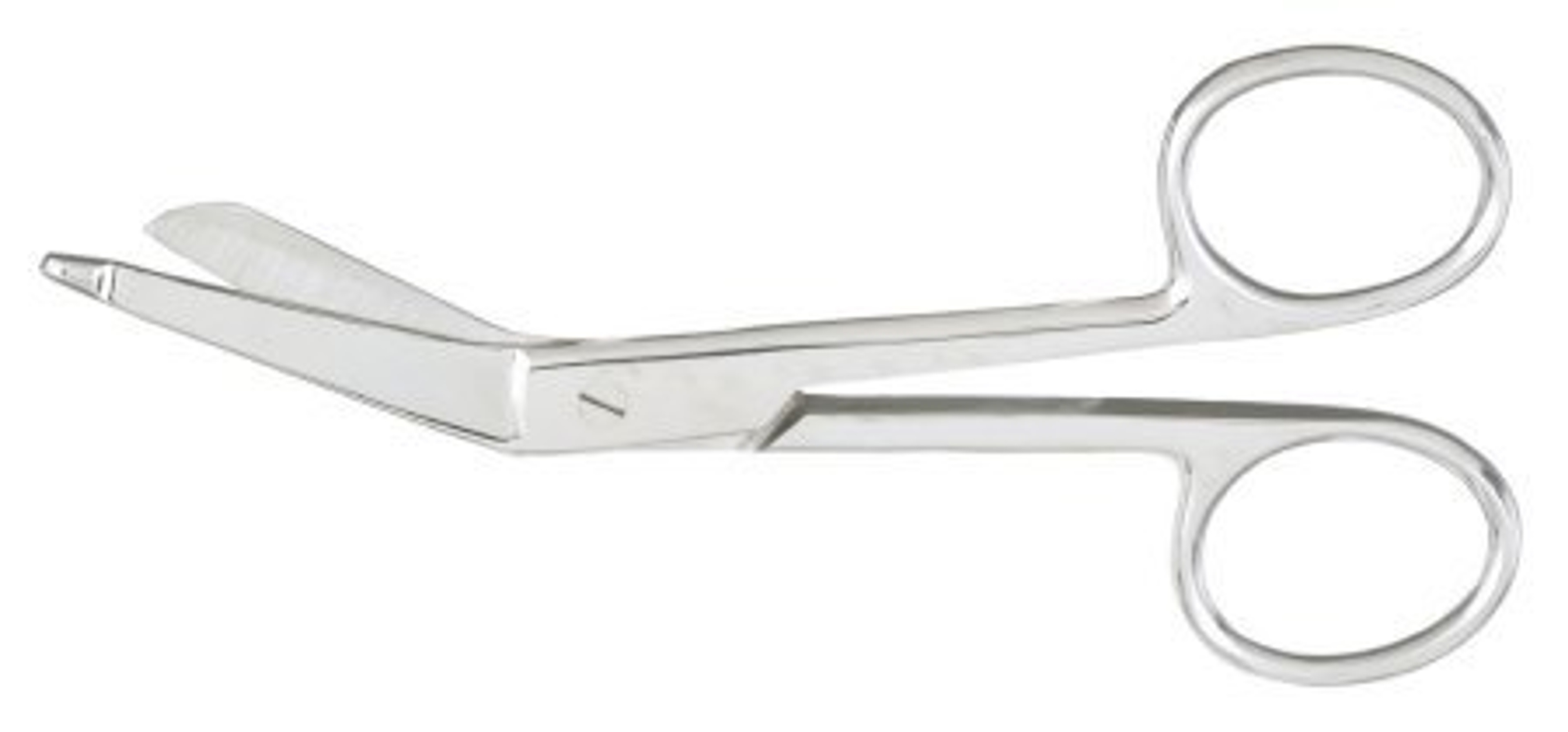
Scissors are invaluable for cutting bandages, tape, and even clothing to access an injury. Tweezers are perfect for carefully removing splinters, ticks, or other small debris from the skin.
5. Disposable non-latex gloves
Always wear gloves when providing first aid to protect yourself and the person you're caring for from the spread of germs and bodily fluids. Keep several pairs in your kit.
6. Instant cold packs
These can be activated instantly by squeezing and are a lifesaver for reducing swelling and pain from bumps, sprains, or bruises. They're especially useful for fall-related injuries.

7. Oral thermometer
A digital or infrared thermometer is a quick and easy way to check for a fever, which can be an early sign of infection or illness.

8. Over-the-counter pain relievers
Stock acetaminophen (Tylenol) and/or ibuprofen (Advil) to help manage pain and reduce fever. Always consult with your loved one's doctor to ensure these medications don't interfere with their existing prescriptions.

9. Hydrocortisone cream or calamine lotion
These topical creams are excellent for soothing skin irritation, insect bites, and minor rashes.

10. Emergency contact and medical information
This is perhaps the most important item in the kit. Include an emergency contact list with emergency services (911), your loved one's doctor, pharmacy, poison control, and a few close family members or friends. Also, include a list of the person’s current medications, known allergies, and any chronic medical conditions. This information is vital for first responders in an emergency.
Customizing your kit
Beyond the basics, think about the specific needs of the person you're caring for. For example, if they have diabetes, include glucose tablets for low blood sugar. If they are prone to falls, consider adding an elastic bandage or splint. For those with severe allergies, ensure their prescribed epinephrine injector (EpiPen) is easily accessible.
A little preparation goes a long way. Regularly check your first-aid kit to replace any expired or used items, and make sure it's stored in a cool, dry place that is easily accessible to all adult caregivers in the home. Having these products on hand will empower you to provide quick, confident care when it's needed most.
Other Articles You May Like
Best Products to Include in a Caregiver's First Aid Kit of 2025
You have many jobs as a caregiver, but one of the most important is keeping your loved one safe, healthy, and comfortable at all times. If your care recipient hurts themselves and requires medical help, you can minimize complications like excess bleeding until you make it to an urgent care facility or the emergency room.
Complete your first aid kit. >
How to Prevent and Treat Bedsores: A Caregiver’s Guide
Bedsores, also known as pressure ulcers, are wounds that appear on the body as a result of inactivity for extended periods.
Read More >