


Best Colostomy Bags of 2025
Written by Carewell Team on Wed Jun 18 2025.

Navigating Life with a Colostomy Bag: Your Comprehensive Guide
Receiving a colostomy can feel like a significant life change, but it doesn't mean your life has to stop. For many, a colostomy is a life-saving procedure that allows them to regain health and independence. This comprehensive guide will explain what a colostomy bag is, how it works, what to expect in daily life, and how to choose the best product for your needs.
What exactly is a colostomy bag?
A colostomy bag, often referred to as an ostomy bag, is a discreet pouch designed to collect waste after a surgical procedure called a colostomy. During a colostomy, a part of your colon is brought through an opening in your abdomen, creating a new pathway for waste elimination called a stoma.
This procedure is often necessary for individuals with conditions such as:
Colon or rectal cancer
Severe intestinal or bowel blockages
Serious inflammatory bowel diseases (like Crohn's disease or ulcerative colitis)
The colostomy bag attaches directly to the stoma, effectively becoming your body's new way to collect and manage stool.
Is there a difference between "ostomy" and "colostomy" bags?
The terms "ostomy bag" and "colostomy bag" are often used interchangeably, and for good reason—they refer to the same type of collection pouch. The key distinction isn't in the bag itself, but rather the type of ostomy surgery you've had.
There are three main types of ostomies, each named for the part of the intestine or urinary tract involved:
Colostomy: Involves the large intestine (colon) and collects stool.
Ileostomy: Involves the small intestine (ileum) and collects stool, often more liquid.
Urostomy: Involves the urinary tract and collects urine.
So, while a colostomy bag is a specific type of ostomy bag, you should be mindful not to purchase a urostomy bag, as it's designed only for urine collection. Most products labeled "ostomy bag" are suitable for colostomies and ileostomies
What is life like with a colostomy bag?
One of the most common questions people have is: "What will my life be like with an ostomy bag?" The good news is that once you've recovered from surgery and adjusted, you can typically return to most of your previous activities and enjoy a full, active life.
Here's a glimpse into daily life:
Diet: You can generally eat all the same foods you enjoyed before your procedure. Your healthcare provider may offer specific dietary advice during your initial recovery, but long-term restrictions are rare.
Activity and Sports: You can remain active and participate in most sports. High-contact sports that might injure the stoma are generally discouraged, but many people continue with activities like swimming, hiking, and even more rigorous exercises. Products like an ostomy belt or specialized support garments can help secure the pouch during physical activity.
Discretion: Modern colostomy bags are designed to be discreet and can usually be hidden comfortably under clothing without anyone noticing.
Pouch Management: You'll learn to manage your pouch independently. If you're bed-bound or incapacitated, a caregiver can easily assist you.
Emptying Frequency: An ostomy bag should typically be emptied when it's one-third to one-half full, which usually means 4 to 10 times a day.
Changing Frequency: Some bags are drainable (meaning you can empty and reuse them), requiring a full change every 2 to 3 days. Others are closed-end (single-use) and need to be replaced with a new one each time they fill up.
Cost:The average bag costs between $4 and $9, depending on the brand and features, and they often come in packs of 10. Costs can vary, and insurance coverage often helps.
It's important to remember that adjusting to life with a colostomy bag takes time, both physically and emotionally. Be patient with yourself, seek support from healthcare professionals or support groups, and know that with time, you'll adapt and continue to enjoy almost all the activities you did before your colostomy.
Choosing the right colostomy bag
Selecting the best colostomy bag involves understanding a few key features that impact comfort, convenience, and security. When choosing a bag, consider these important questions:
Is it a one-piece or two-piece system?
What size is appropriate for your stoma and lifestyle?
Is it reusable (drainable) or single-use (closed-end)?
Is it "trim-to-fit" or does it come with a "pre-cut" opening?
One-piece colostomy bags
A one-piece ostomy system combines the adhesive barrier (the part that sticks to your skin around the stoma) and the collection pouch into a single unit.
Pros: Often less expensive, and since the barrier and pouch are inseparable, there's a reduced risk of leakage. They can also feel less bulky.
Cons: You need to change the entire system more frequently, which can potentially irritate the skin around the stoma. Changes might also take a bit more time.
Two-piece colostomy bags
A two-piece ostomy system consists of two separate components: a base plate (also called a flange or wafer) that adheres to your skin, and a separate collection pouch that attaches to the base plate.
Pros: Offers greater flexibility. You can easily switch out different sized bags for various activities (e.g., a smaller bag for sports). Since the base plate is usually changed only every 2-3 days, it's often gentler on the skin, as the skin is exposed to less frequent adhesive removal.
Cons: Generally more expensive than one-piece systems. While rare with proper application, there's a slight risk of the bag detaching from the base plate, potentially leading to leaks.
Reusable colostomy bags
Reusable (Drainable) Bags: These bags have a closure at the bottom that allows you to drain the contents into a toilet, rinse the bag, and continue wearing it.
One-piece drainable bags are drained while still attached to you.
Two-piece drainable bags can be removed from the flange, drained, and then reattached.
Ideal for: Most daily use, as they reduce the frequency of full appliance changes.
Single-Use (Closed-End) Bags: These bags have no opening at the bottom. Once they are full, you remove the entire bag, dispose of it, and replace it with a new one.
Ideal for: Occasional use, such as during sports, travel, or intimate moments, when you prefer maximum discretion and quick disposal.
The best colostomy bags:
Coloplast SenSura Mio Click Drainable Pouch, Maxi Length, Filter, Opaque
Hollister Premier One-Piece Drainable Transparent Ostomy Pouch, Trim to Fit, Up to 2.5” Stoma
1. Coloplast SenSura Mio Click Drainable Pouch, Maxi Length, Filter, Opaque

The SenSura Mio Click Drainable Pouch, Maxi Length is a standalone product designed to fit around a 50mm, 60mm, or 70mm stoma. The bag is opaque but includes a peekaboo window to help understand when it's time to change.
2. Hollister Premier One-Piece Drainable Transparent Ostomy Pouch, Trim to Fit, Up to 2.5” Stoma

The Hollister Premier One-Piece Drainable Transparent Ostomy Pouch is a standalone product that can be trimmed to fit around a stoma that is up to 2.5”. This drainable pouch is a great option if you need to empty the contents while you are out and about. The bag is transparent, giving users visibility on when the bag needs to be emptied.
3. New Image Two-Piece Drainable Ostomy Pouch

New Image Two-Piece Drainable Ostomy Pouch with Lock 'n Roll Microseal Closure, BeigeThe New Image Two-Piece Drainable Ostomy Pouch needs to be purchased with a 2.25” flange. The flange listed here is trim to fit and can accommodate stomas up to 1.75”. This bag can easily be removed and drained whenever necessary. The color is beige for those wearers who would prefer to not have visibility to the inside of the bag.
4. Sensura XPro One-Piece System Ostomy Pouch, ⅜”-3” Stoma

The Sensura XPro One-Piece System Ostomy Pouch is a standalone product that can be trimmed to fit around a stoma ranging from ⅜” to 3”. This bag can be drained while still applied to the wearer. It’s transparent, giving the wearer visibility on when it needs to be changed.
5. New Image Two-Piece Closed Mini Ostomy Pouch with Filter

The New Image Two-Piece Closed Ostomy Pouch needs to be purchased with a 44mm flange. The flange listed here is trim to fit and can accommodate stomas up to 1.25”. This bag does not drain but can easily be removed, disposed of, and replaced. The small size and ease of disposal makes it ideal for use in sports, travel, or if the wearer is looking for something more discreet. It’s transparent, allowing the wearer to see when it needs to be changed.
| Product | Feature | Cost | Customer Rating |
|---|---|---|---|
| Sensura Easiclose One-Piece System Ostomy Pouch, 1” Stoma | One Piece Single Fit (1 inch Stoma) Drainable Transparent 655 ml capacity | $6.99 | 5 |
| Hollister Premier One-Piece Drainable Transparent Ostomy Pouch, Trim to Fit, Up to 2.5” Stoma | One Piece Trim to Fit Drainable Transparent | $49.99 (Box of 10) | N/A |
| New Image Two-Piece Drainable Ostomy Pouch | Two Piece: New Image Skin Barrier, 2.25” Flange Drainable Single Fit (2.25 in / 57 mm Flange) Beige | $31.99 (Box of 10) | N/A |
| Sensura XPro One-Piece System Ostomy Pouch, ⅜-3” Stoma | One Piece Trim to Fit Drainable Transparent 655 ml capacity | $45.99 (Box of 10) | 4.5 |
| New Image Two-Piece Closed Mini Ostomy Pouch with Filter | Two Piece: New Image Flextend Ostomy Barrier, 44mm Flange Small size Single Fit (1.75 in / 44mm Flange) Single Use Transparent | $119.99 (Box of 60) | N/A |
Conclusion:
The different types of colostomy bags offer wearers discretion, flexibility, and security. With all the available options, there is a right choice that will allow you or your loved one to go about your normal daily lives. There are many different types of colostomy bags, it will be up to you and your healthcare provider to determine what type of bag works best.
If you have questions about the item we’ve linked in this post, please reach out to our friendly Caregiving Specialists. Call (800) 696-CARE or send an email to support@carewell.com. They can help you make the right decision for your loved one’s needs.
Other Articles You May Like

Ostomy Checklist: 15 Crucial Supplies for Those with a Stoma
For individuals managing a stoma, having the necessary supplies organized and accessible is key. A complete ostomy kit can make a significant difference in daily comfort and minimize the risk of complications. To help you prepare, we've created an all-inclusive checklist of must-have items.
Read More >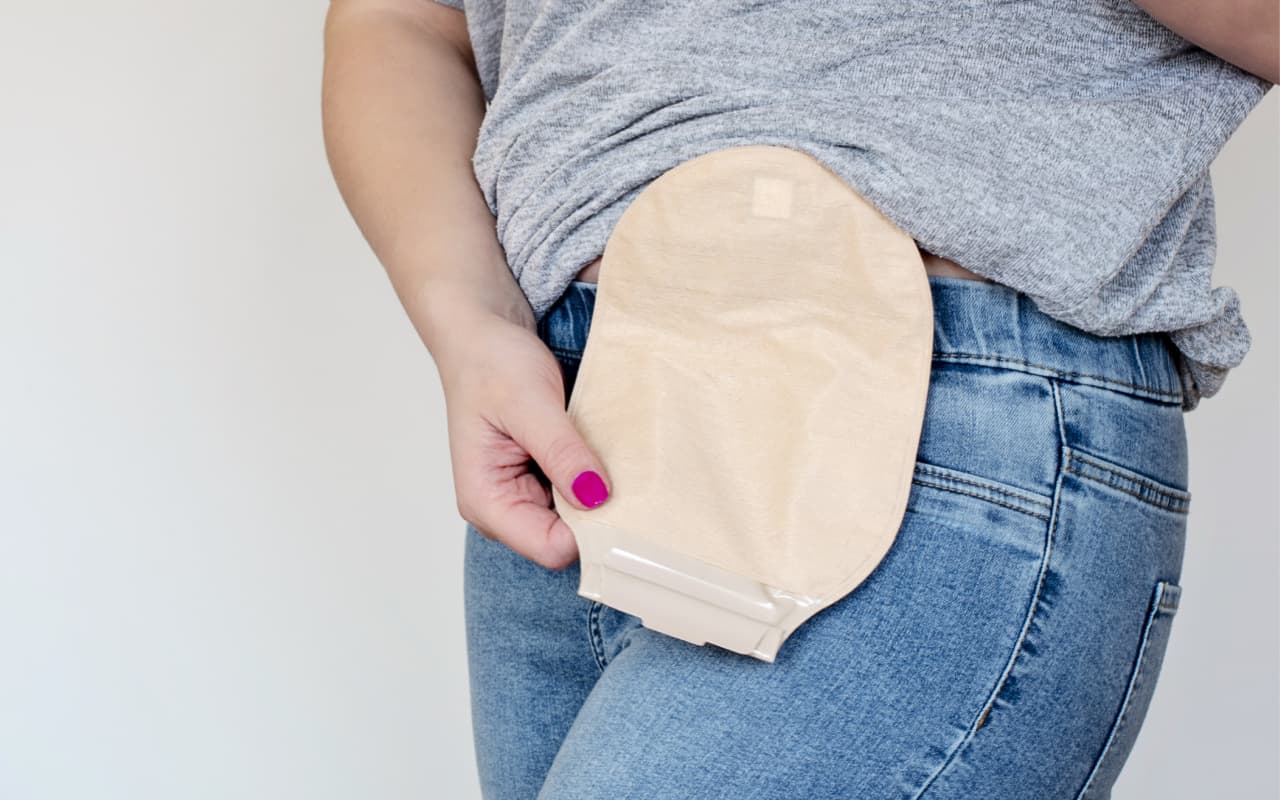
A Beginner's Guide to Ostomy Systems
Many people who are diagnosed with serious bowel or bladder issues, like diverticulitis, Crohn's disease, or bladder cancer, need ostomy systems to eliminate waste from their bodies.

Medically Reviewed by Kiera Powell, R.N.