


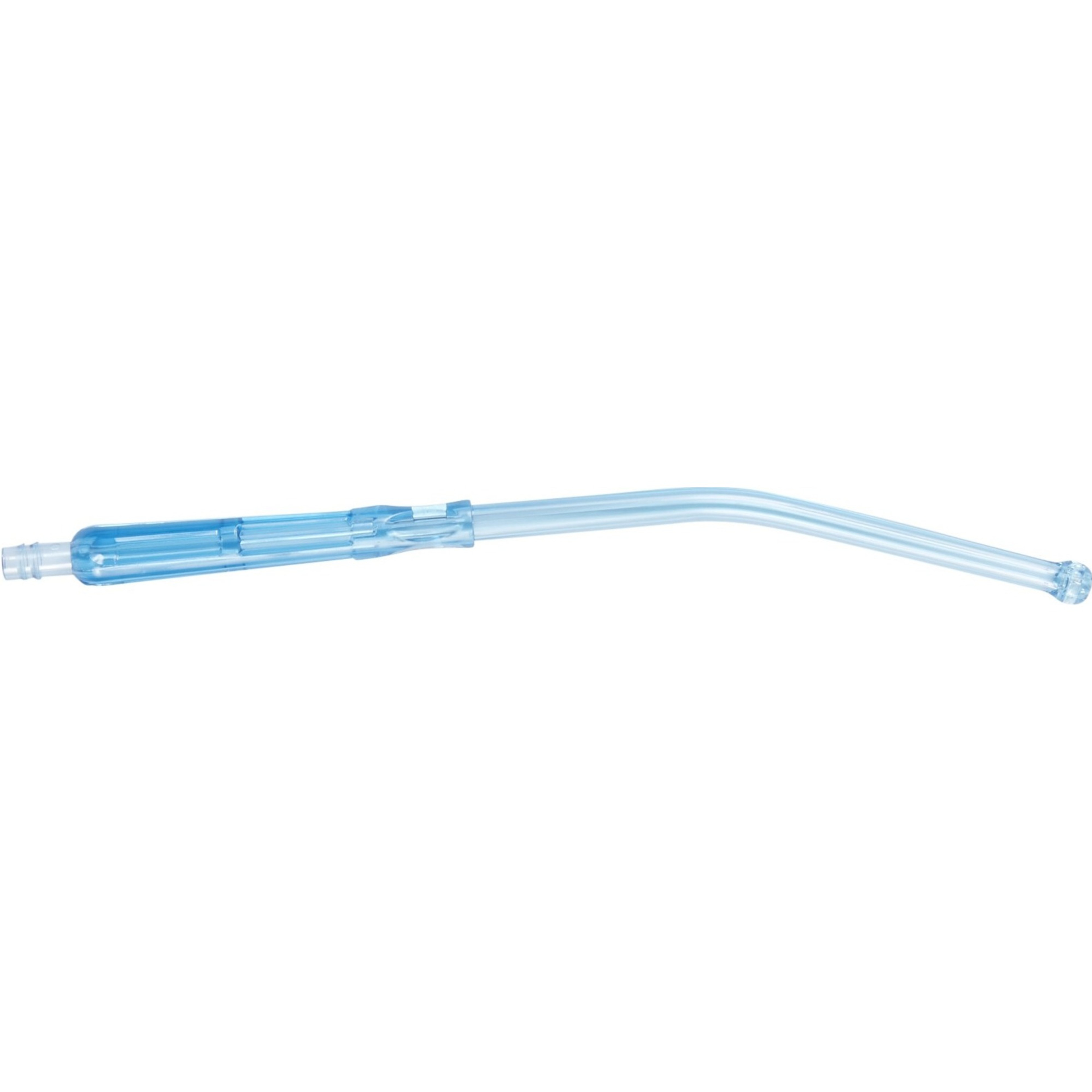
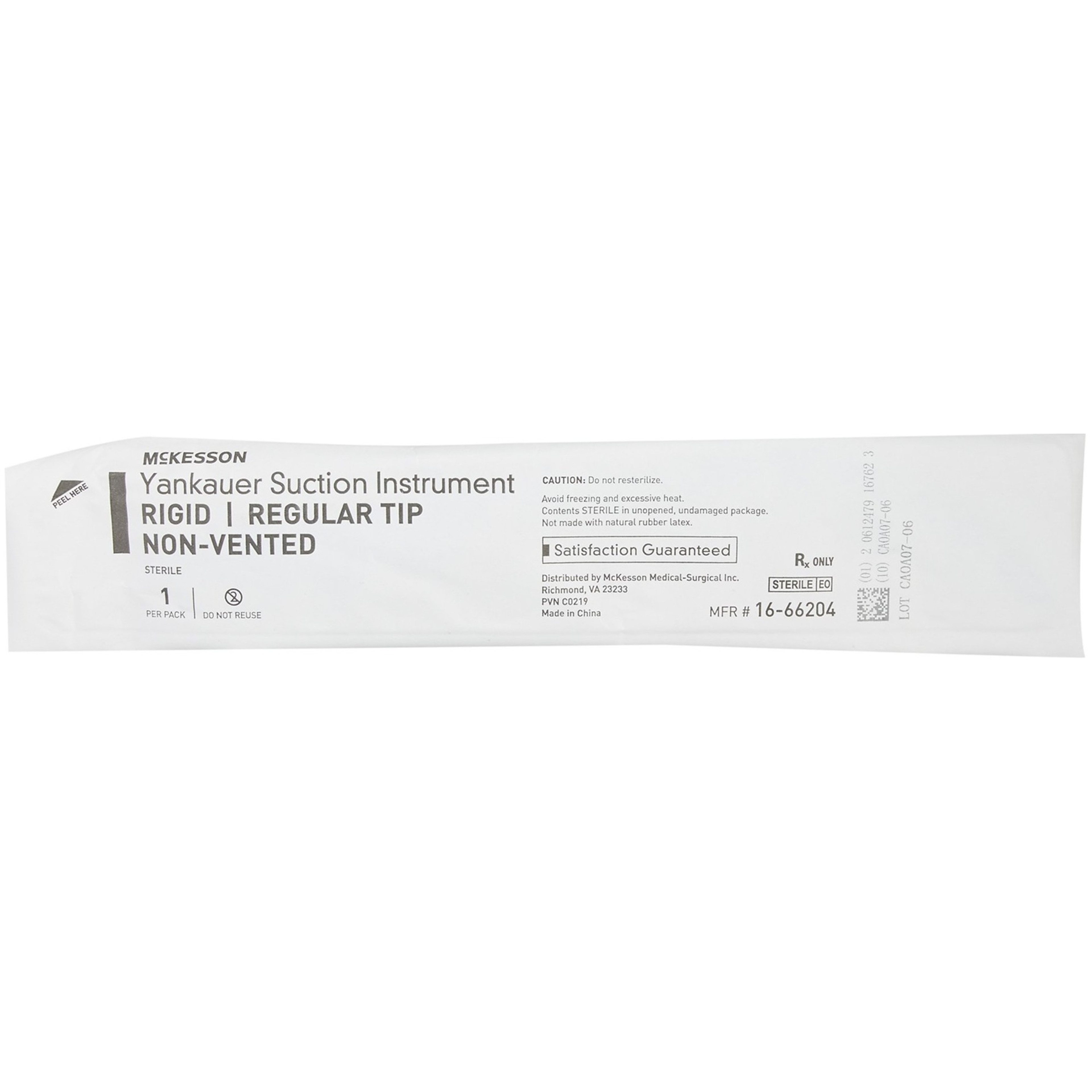
McKesson Yankauer Suction Instrument Vented - Pack of 10
1 option available
4.4(5)
$8.50$0.85/ea
$8.08 Autoship
AutoshipArrives Fri, Feb 27 - Sat, Feb 28
Save 5%AutoshipArrives Fri, Feb 27 - Sat, Feb 28
Save 5%
Arrives Fri, Feb 27 - Sat, Feb 28
Arrives Fri, Feb 27 - Sat, Feb 28
 Autoship
Arrives Fri, Feb 27 - Sat, Feb 28
FSA & HSA eligible
Save 5%
Arrives Fri, Feb 27 - Sat, Feb 28
FSA & HSA eligible
Arrives Fri, Feb 27 - Sat, Feb 28
 Autoship
Arrives Fri, Feb 27 - Sat, Feb 28
FSA & HSA eligible
Save 5%
Arrives Fri, Feb 27 - Sat, Feb 28
FSA & HSA eligible

Arrives Fri, Feb 27 - Sat, Feb 28
FSA & HSA eligible
Arrives Fri, Feb 27 - Sat, Feb 28
FSA & HSA eligible

Arrives Fri, Feb 27 - Sat, Feb 28
FSA & HSA eligible
Arrives Fri, Feb 27 - Sat, Feb 28
FSA & HSA eligible
Arrives Fri, Feb 27 - Sat, Feb 28
FSA & HSA eligible
Arrives Fri, Feb 27 - Sat, Feb 28
 Autoship
Arrives Fri, Feb 27 - Sat, Feb 28
FSA & HSA eligible
Save 5%
Arrives Fri, Feb 27 - Sat, Feb 28
FSA & HSA eligible
Medical tools encompass a wide range of devices designed to aid in personal care, recovery, and daily living, directly contributing to independence and well-being. This article focuses on two essential mobility aids: canes and walkers, crucial for individuals seeking to improve balance and support during ambulation.
The category of medical tools is diverse, providing solutions for various health and daily living needs. Canes offer lightweight and portable walking support, enhancing balance and stability for individuals with minor mobility challenges or those recovering from injuries. For more substantial support and stability, walkers provide a wider base of support, ideal for individuals requiring significant mobility assistance due to weakness, balance issues, or post-surgical recovery. Beyond these assistive devices, the broader category includes dressing aids for easier clothing management, eating aids for improved mealtime independence, and various hygiene tools to simplify personal care tasks. From adaptive equipment to daily living aids, these tools empower individuals to perform essential tasks with greater ease and safety, contributing significantly to their overall quality of life.
When choosing medical tools, particularly mobility aids, consider your specific needs and the level of support required. For minor balance issues or occasional walking support, a cane might be sufficient, offering portability and ease of use. If you require more significant stability and support for walking, or are recovering from surgery, a walker provides a more secure and stable base. When selecting canes or walkers, consider features like adjustable height, comfortable grips, and the weight capacity. For other daily living aids, assess which activities present challenges and seek out specific adaptive equipment that can simplify tasks, whether it's a dressing stick for putting on socks or specialized utensils for eating. Always ensure the chosen medical tool is appropriate for your physical capabilities and helps you achieve greater independence.
Browse our full collection of medical tools online now and enjoy fast, free shipping on orders over $49. Need help choosing the right product? Our friendly Customer Care Team is here for you. Call us at 800-696-2273. We’re here to help you feel confident and supported, every step of the way.
Browse our Resource Center for more helpful tips.
Dementia Care 101: Tips for Medication Management
9 Cold and Flu Illness Prevention Tips for Caregivers
How to Support & Strengthen Older Adults' Immune Systems During Cold, Flu, & COVID Season