



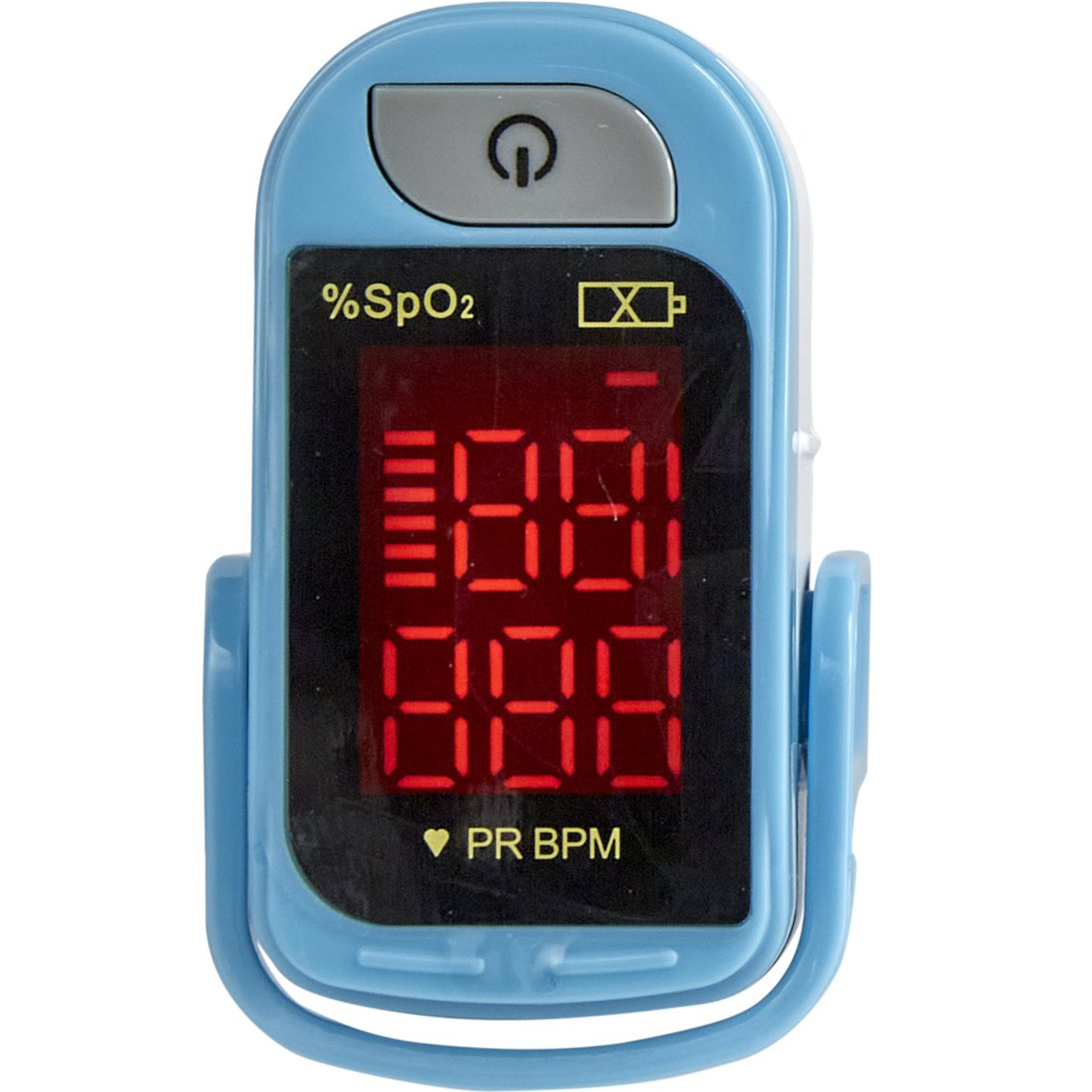
McKesson Basic Fingertip Pulse Oximeter 1 Each
2 options available
4.8 (6)
(6)
(6)$31.50
Arrives Sun, Jun 14 - Wed, Jun 17
FSA & HSA eligible
(6)Arrives Sun, Jun 14 - Wed, Jun 17
FSA & HSA eligible
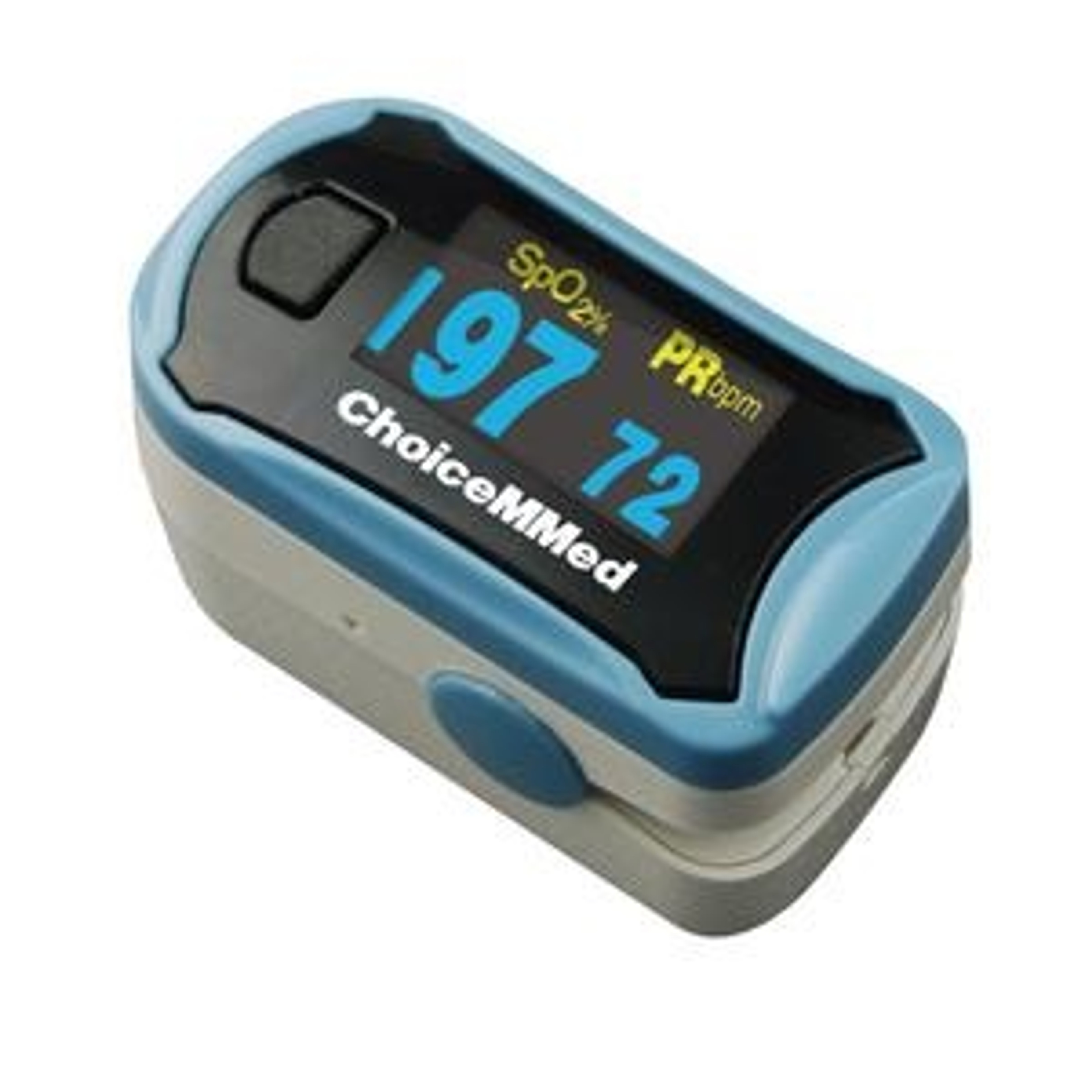 (7)
(7)Arrives Sun, Jun 14 - Wed, Jun 17
FSA & HSA eligible
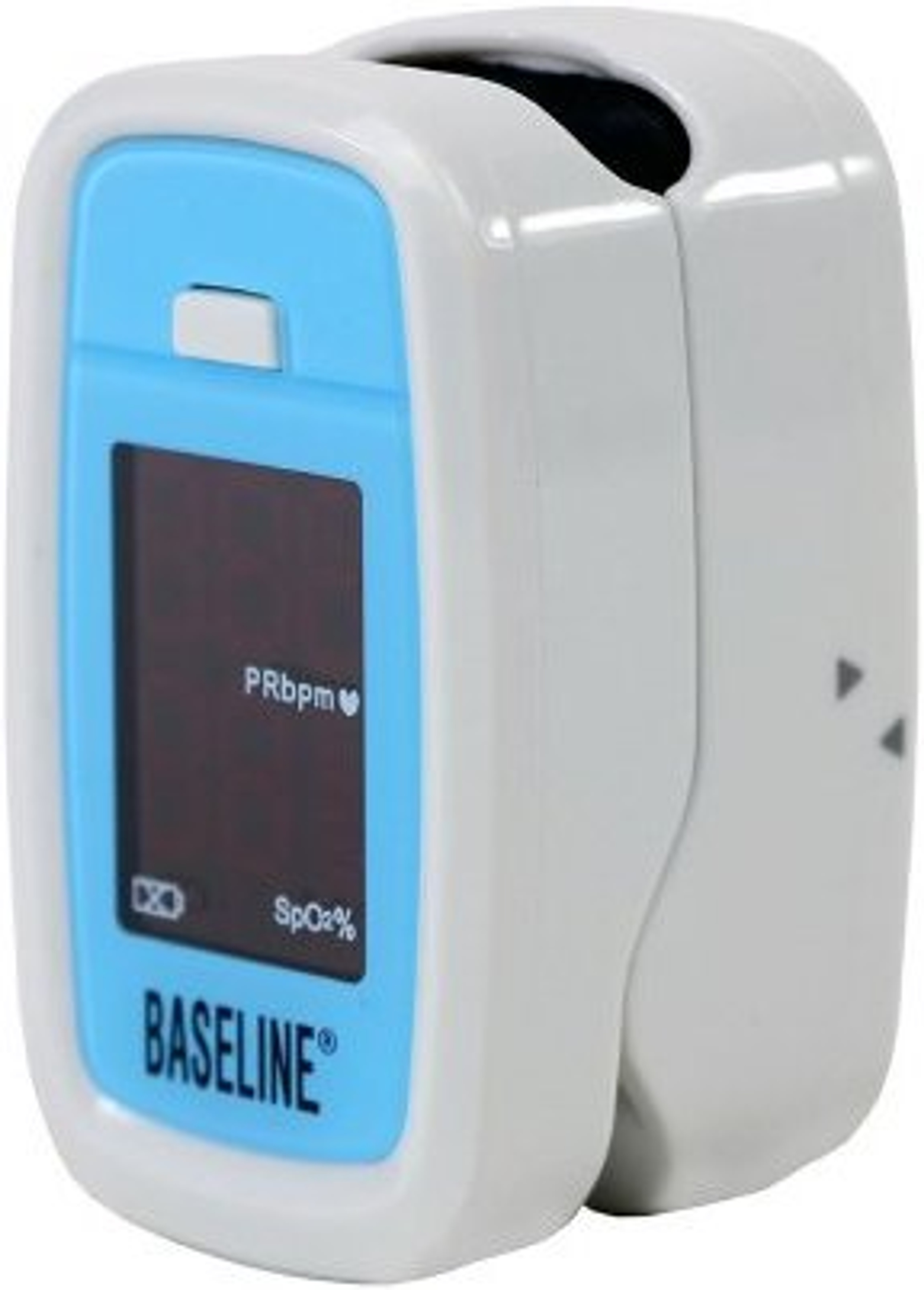
 (10)
(10)Arrives Sun, Jun 14 - Wed, Jun 17
FSA & HSA eligible
 (52)
(52)Arrives Sun, Jun 14 - Wed, Jun 17
FSA & HSA eligible
Arrives Sun, Jun 14 - Wed, Jun 17
FSA & HSA eligible
Arrives Sun, Jun 14 - Wed, Jun 17
FSA & HSA eligible
 (3)
(3)Arrives Sun, Jun 14 - Wed, Jun 17
FSA & HSA eligible
Arrives Sun, Jun 14 - Wed, Jun 17
FSA & HSA eligible
Arrives Sun, Jun 14 - Wed, Jun 17
FSA & HSA eligible
 (3)
(3)Arrives Sun, Jun 14 - Wed, Jun 17
FSA & HSA eligible
Arrives Sun, Jun 14 - Wed, Jun 17
FSA & HSA eligible
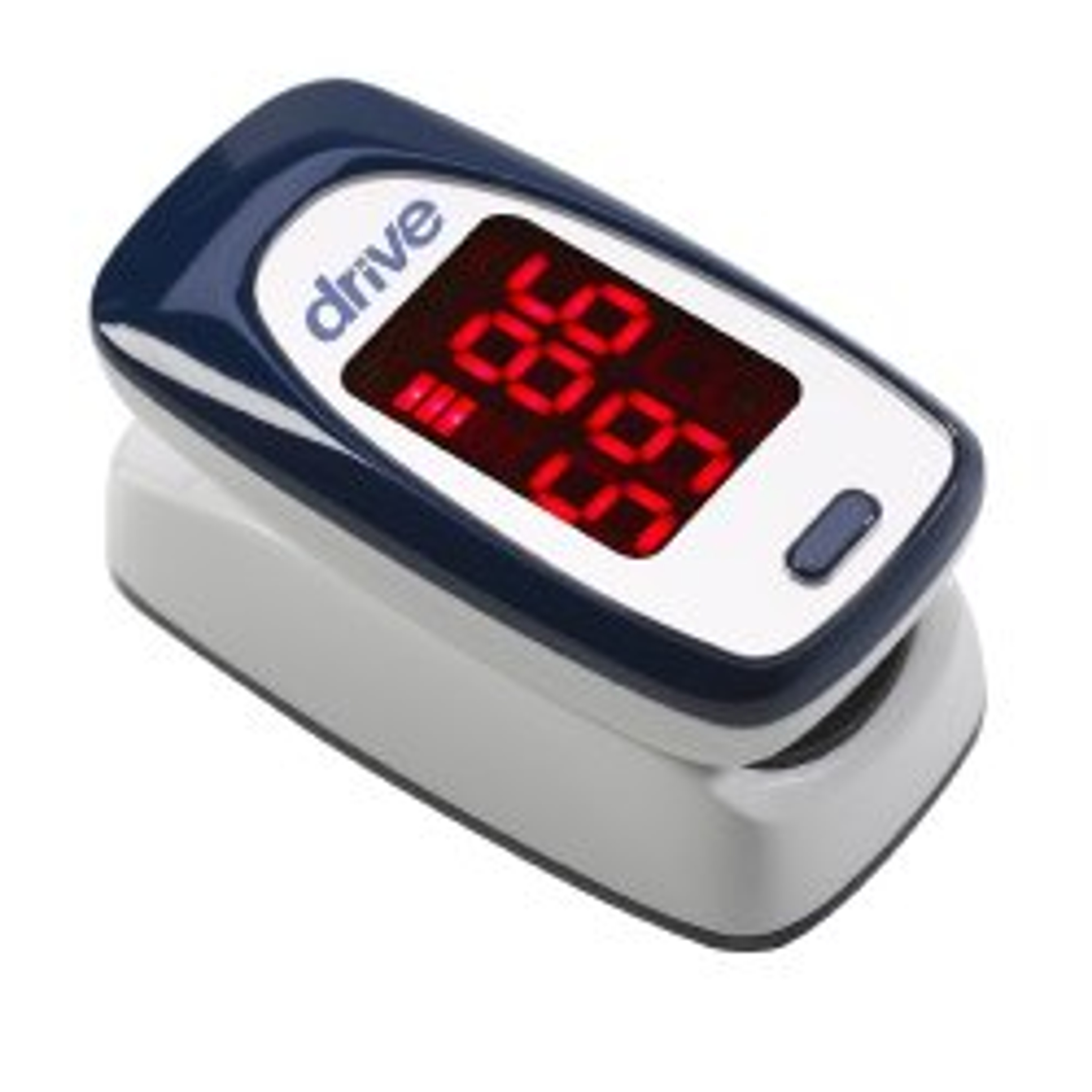
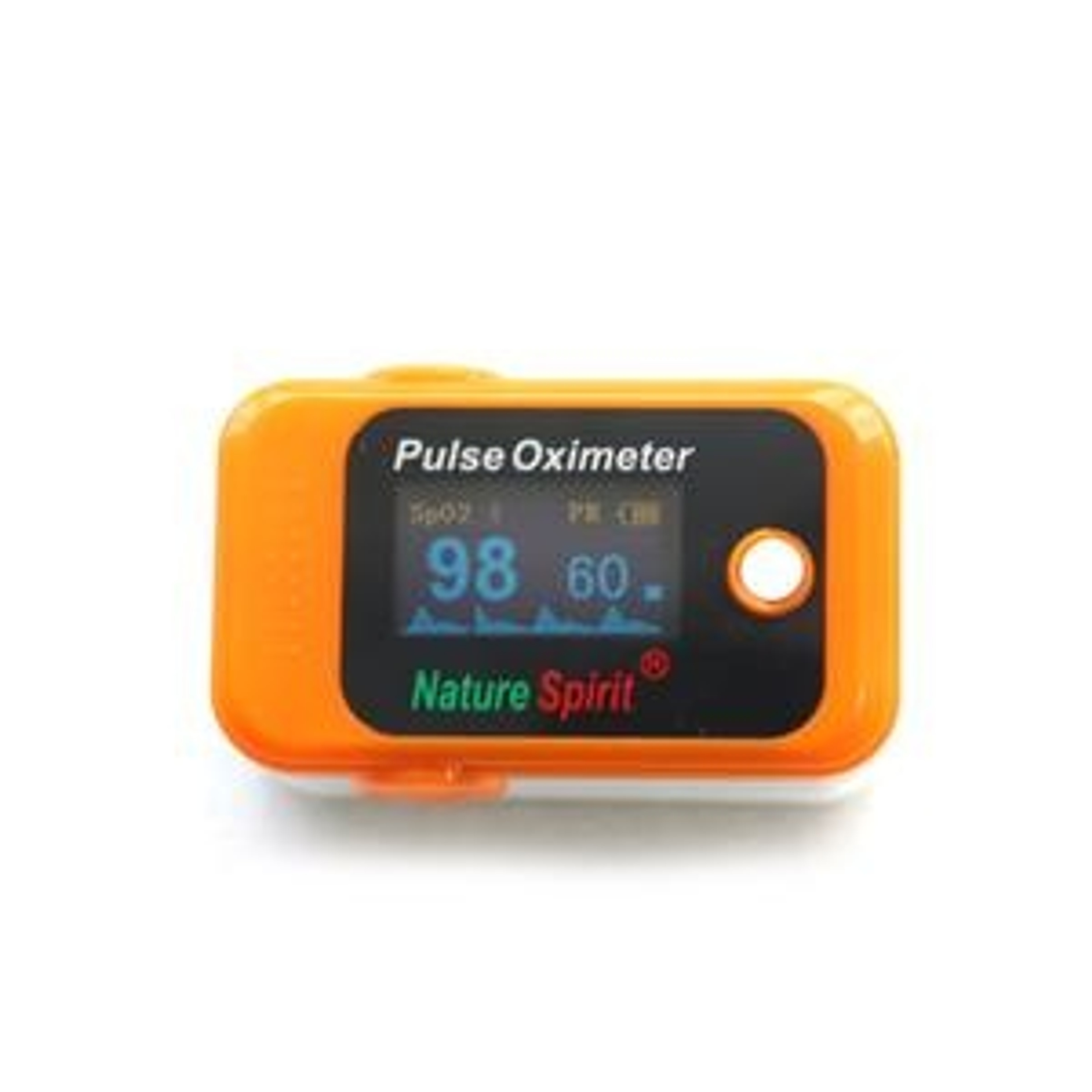
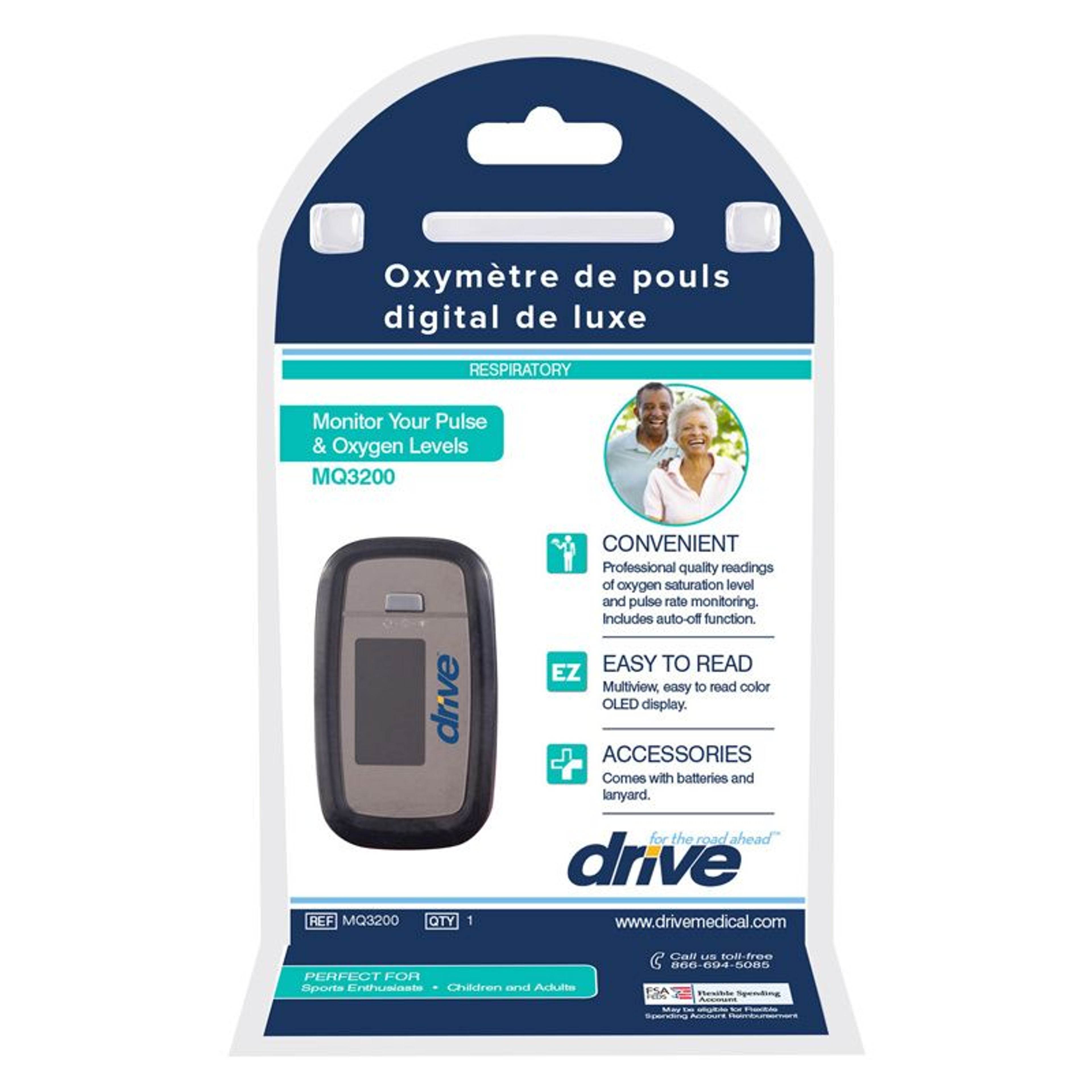
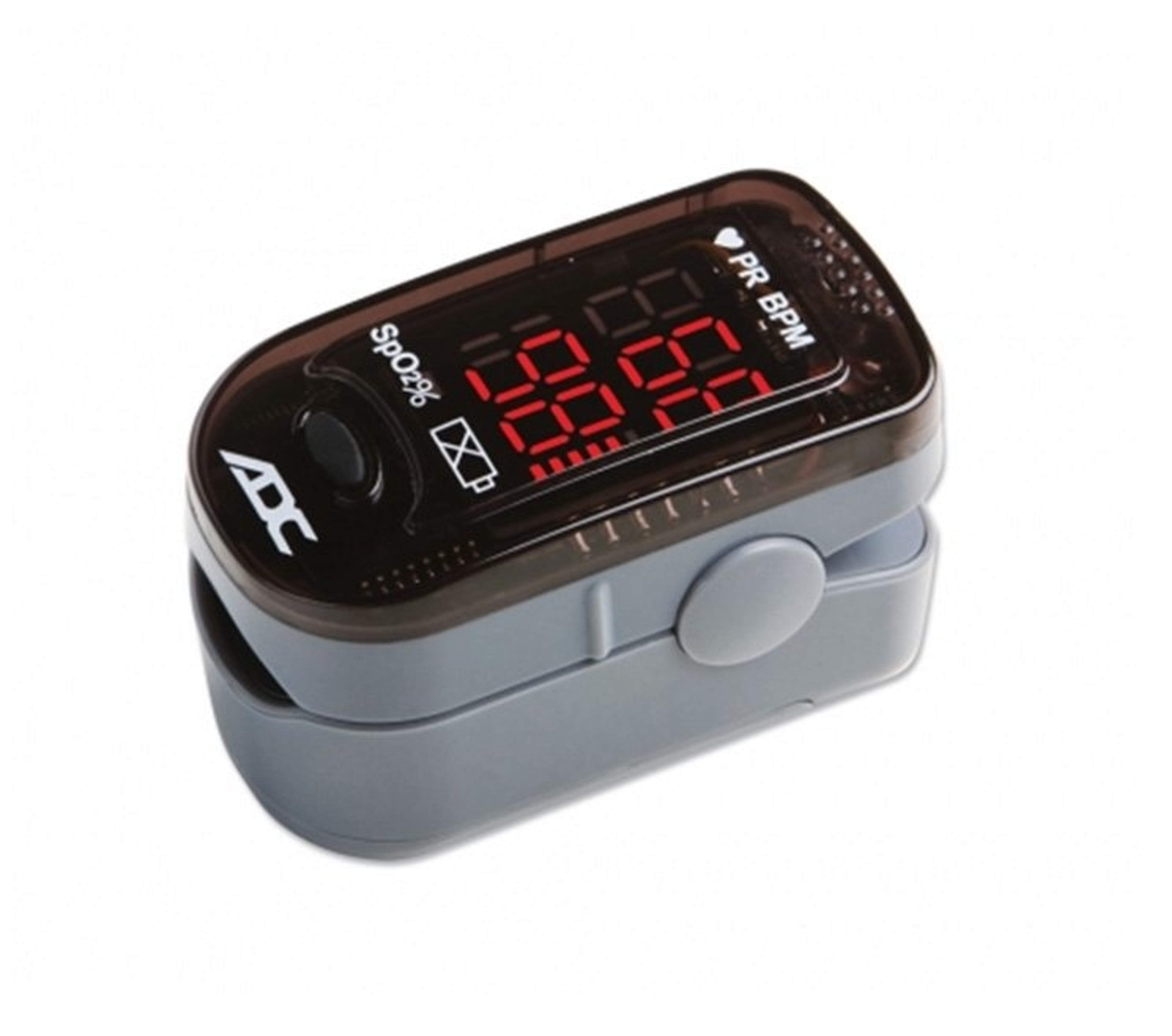
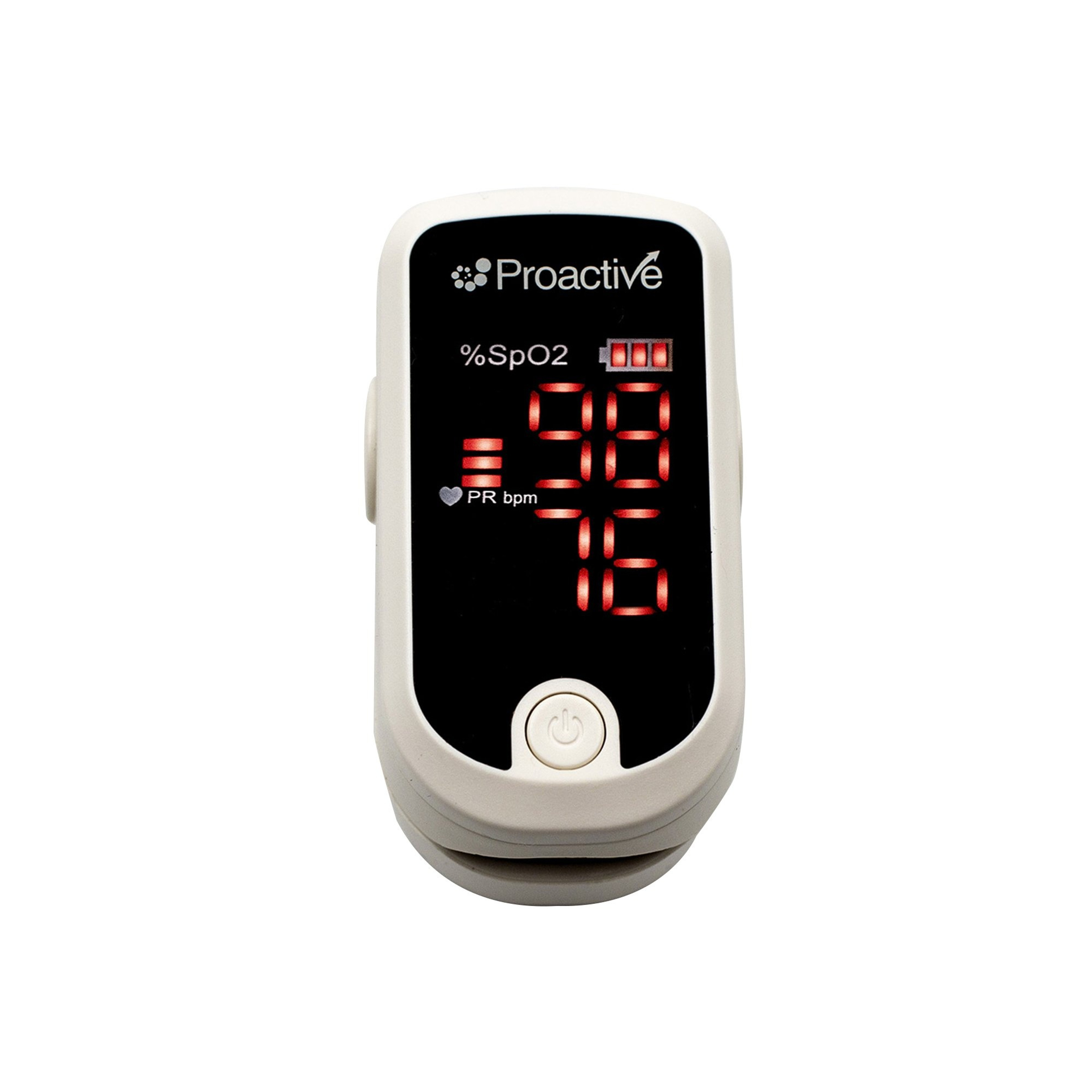
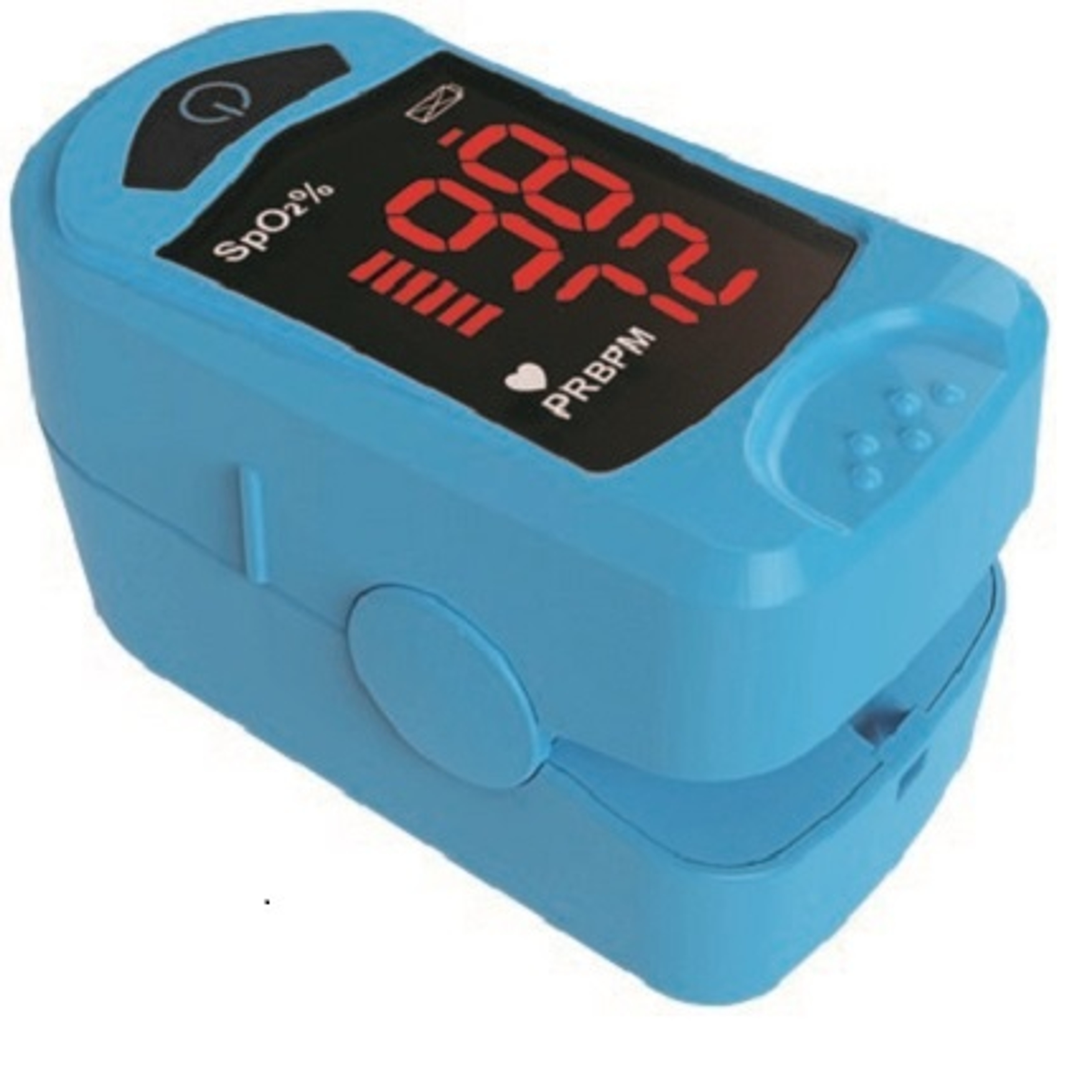
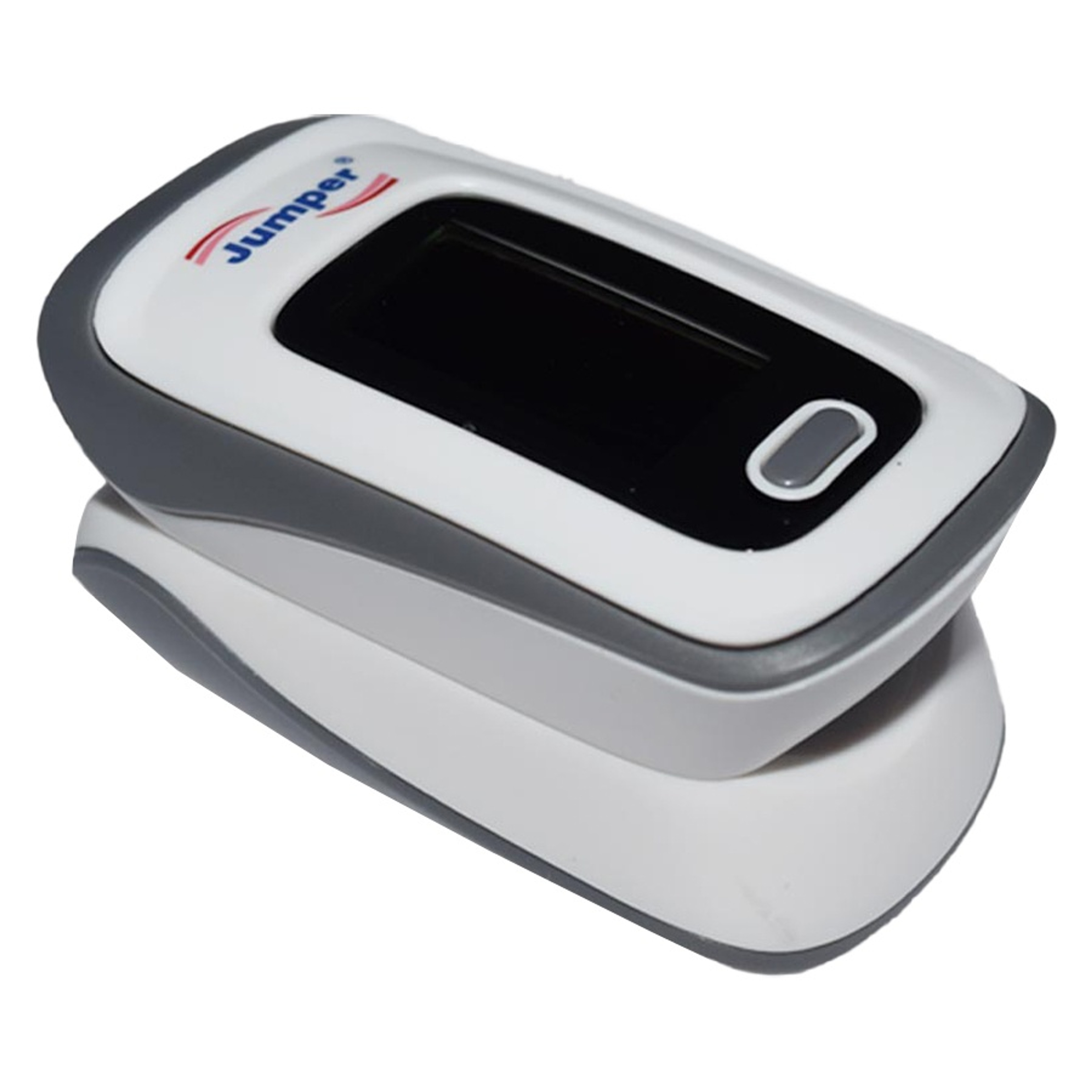
A pulse oximeter is an invaluable medical device for health monitoring, providing quick, non-invasive insights into two critical vital signs: oxygen saturation and heart rate. This article focuses on two common types of pulse oximeters: fingertip pulse oximeters and handheld pulse oximeters, both essential for tracking respiratory health and overall well-being.
The category of pulse oximeters offers crucial tools for assessing respiratory health and cardiovascular function. Fingertip pulse oximeters are compact, portable devices that clip onto a finger to provide rapid SpO2 readings (oxygen saturation) and pulse rate measurements, making them popular for home use and quick spot checks. Handheld pulse oximeters are typically more robust, offering advanced features and often used in clinical settings or for continuous monitoring, providing detailed oxygen level monitoring and heart rate tracking. Both types of devices are vital for individuals managing conditions like COPD, asthma, pneumonia, or sleep apnea, allowing for proactive symptom assessment and contributing to effective disease management. They help in detecting low oxygen levels early, which can be a critical indicator of respiratory distress.
When choosing a pulse oximeter, consider the user's age, the frequency of monitoring, and the desired level of portability. For general health monitoring and occasional spot checks at home, a fingertip pulse oximeter is usually sufficient, offering ease of use and portability. If you require more continuous oxygen level monitoring or have specific medical conditions requiring a more robust device, a handheld pulse oximeter might be more appropriate. Look for features like a clear display, accurate SpO2 readings, and reliable pulse rate measurement. Some devices also offer perfusion index readings, which indicate the strength of the pulse. Always ensure the device is FDA-cleared for accuracy and follow the manufacturer's instructions for proper use to obtain reliable vital sign monitoring.
Browse our full collection of pulse oximeters online now and enjoy fast, free shipping on orders over $49. Need help choosing the right product? Our friendly Customer Care Team is here for you. Call us at 800-696-2273. We’re here to help you feel confident and supported, every step of the way.
Browse our Resource Center for more helpful tips.