


Toileting Checklist: What To Do When a Loved One Has Mobility Challenges

Written by Lauren Caggiano on Fri Jun 27 2025.

As we age, moving around can become a little harder and can lead to limited mobility. This can be caused or worsened by certain health conditions. When a loved one has limited mobility, getting to the bathroom quickly when needed can become difficult and can result in accidents.
Fortunately, there are things you can do as a caregiver to increase peace of mind for both parties. That said, we’ve put together your all-in-one checklist to make toileting assistance easier, no matter your loved one’s physical restrictions or health conditions.
Toileting and health conditions
There are several reasons why your loved one might need a hand with using the toilet. They can include one or more of the following:
Arthritis
Injuries
If your older adult lives with these conditions, it’s crucial to have a candid conversation about their needs related to toileting. From here, you, as a caregiver, can take all steps possible to make sure the person feels no embarrassment or shame if they need help getting to and using the toilet.
What you’ll need
If you notice your loved one is repeatedly struggling to get to the bathroom in time, it’s good to have tools on hand to help clean up accidents and even prevent future ones. You’ll want to invest in the following items to meet their healthcare needs:
Gait belts or transfer belts: To get them safely around the house or from one piece of furniture to another.
Plastic commodes/bed pans: Limited mobility means getting to the bathroom when needed can be hard. Commodes can help prevent accidents.
Cleansers: Make sure your loved one stays clean after using the bathroom to avoid rashes.
Bath bench/shower chair: For safe and dignified bath times.
Barrier cream: Wearing incontinence products can irritate the skin. Barrier creams can help keep the skin healthy and protected.
Underpad: For extra protection against leaks.
Adaptive clothing: Adaptive clothing allow for easier dressing and undressing for those with mobility challenges.
Raised toilet seat: Sitting on to a low toilet can be difficult if you have mobility challenges. A raised toilet set can make sitting on the seat easier and avoid falls.
Walker/rollator: Help your loved one stay as independent as possible with the support of a walker or rollator.
How to manage toileting with mobility challenges
Step 1: Planning for accidents
Having the right supplies readily available and within easy reach is key to minimizing the mental and physical strain that can come with bladder or bowel accidents. When an incident occurs, quick action is essential to help your loved one clean up and get into fresh clothes. Beyond that, consider how you might need to assist them in moving comfortably from one area to another. Being prepared with everything you need, whether at home or when you're out, ensures you can respond effectively and maintain their dignity and comfort.
Step 2: Be proactive and and have open communication
It helps to remind your loved one that experiencing incontinence or difficulty with toileting is a common concern that can often be easily managed. The key to preventing accidents and maintaining comfort is proactive communication. Encourage them to feel comfortable reporting any accidents or, ideally, to ask for help as soon as they feel a sense of urgency. This open dialogue is truly in everyone's best interest, as it allows caregivers to implement timely support and strategies that can help avoid future incidents and enhance their overall well-being.
Step 3: Stay calm
A person who has an accident or suddenly needs to use the toilet may appear angry, anxious, and cold. It’s helpful to use phrases like “it’s ok” or “these things happen” to change the mood. Reassure them that you’re not angry, and then move on with getting them cleaned and dry. The less you fixate on the accident, the better interaction will likely go.
Step 4: Create a supportive and understanding environment
Coming to terms with a loss of bladder or bowel control can be a profoundly sensitive and vulnerable experience for an individual. As caregivers, our role is to foster an atmosphere of compassion and understanding, ensuring we have the necessary tools and resources readily available to proactively prevent accidents.
When accidents do occur, remember that most older adults are already acutely aware of their changing capacities. What they need most is reassurance and dignity, not reminders of their difficulties. Creating an environment free from the fear of criticism or judgment can actually help reduce anxiety and prevent future accidents. By nurturing their emotional well-being, we empower them to feel more comfortable and confident, which can positively impact their toileting habits and overall quality of life.
Step 5: Keep a watchful eye and adapt the assisted toileting process to the person’s preferences
One of the many things younger people and those without physical limitations take for granted is that we each have our unique habits in the bathroom. For instance, consider the following:
How much toilet paper does the person use?
Do they like to use cleansing wipes?
Do they prefer briefs or boxers?
Do they like to take a book or magazine in the bathroom?
Observing these habits and accommodating requests can make the person receiving care more likely to ask for help.
Takeaways
When an incident like an accident happens, it can trigger feelings of shame and guilt. Some older adults will try to hide their accidents because of these negative emotions. However, a good caregiver can redirect the situation by prioritizing clear, direct communication and swift action. This approach is critical to improving or maintaining a good quality of life for the care recipient.
Everyone wins when the person under care feels like they’re in a safe environment and can ask for help. This is especially true of an activity like toileting tied closely to a person’s independence. Here are the steps you can follow to help the person feel seen and heard.
Need more help?
Choosing the right product can be overwhelming - Carewell's here to help. If you need help finding the perfect product for your needs, talk to one of our Caregiving Specialists today. Call (800) 696-CARE. We’re here to support you!
Other Articles You May Like
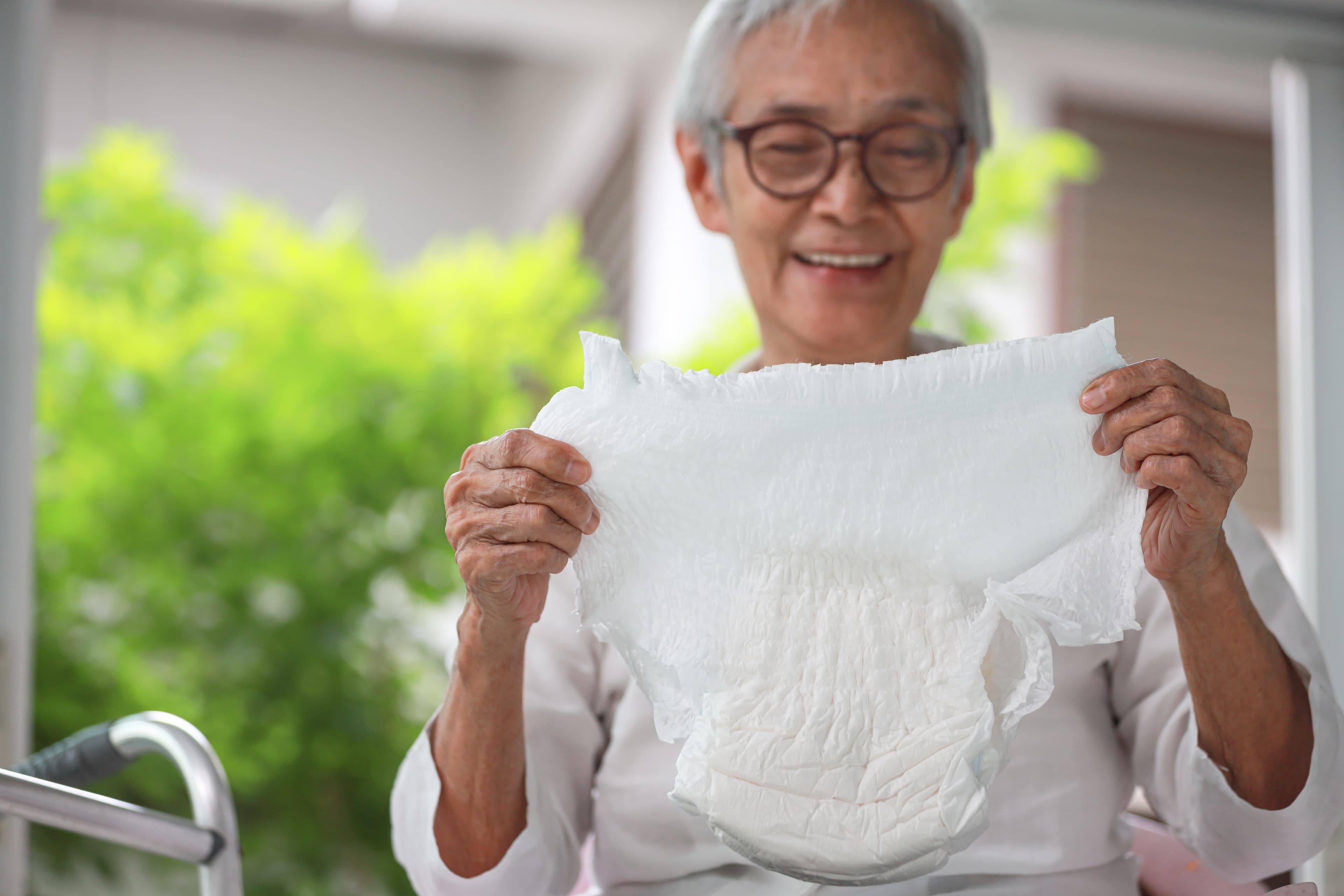
The Best Adult Diapers for Bowel Incontinence of 2025
Bowel incontinence is a common yet often unspoken challenge affecting as many as one in 12 adults. We understand that finding the ideal adult diaper for bowel incontinence can feel overwhelming, but you're not alone. This comprehensive guide is designed to simplify your search. We've compiled a curated list of our top-rated and best-selling adult diapers specifically engineered for effective bowel containment and superior leak protection, helping you regain confidence and comfort.
Read More >
Understanding, Preventing, and Treating Incontinence-Associated Dermatitis (IAD)
Manage Incontinence-Associated Dermatitis (IAD) effectively. Get practical advice on symptoms, prevention, and treatment to support healthy skin for those in your care.
Read More >Lauren Caggiano
Lauren Caggiano is an Indiana-based copywriter/editor, ACE certified personal trainer and ACE certified health coach. She has a passion for health and wellness and helping people live fuller and richer lives.