


5 Exercises to Reduce Swelling in the Legs and Feet

Written by Chad Birt on Thu Jun 19 2025.
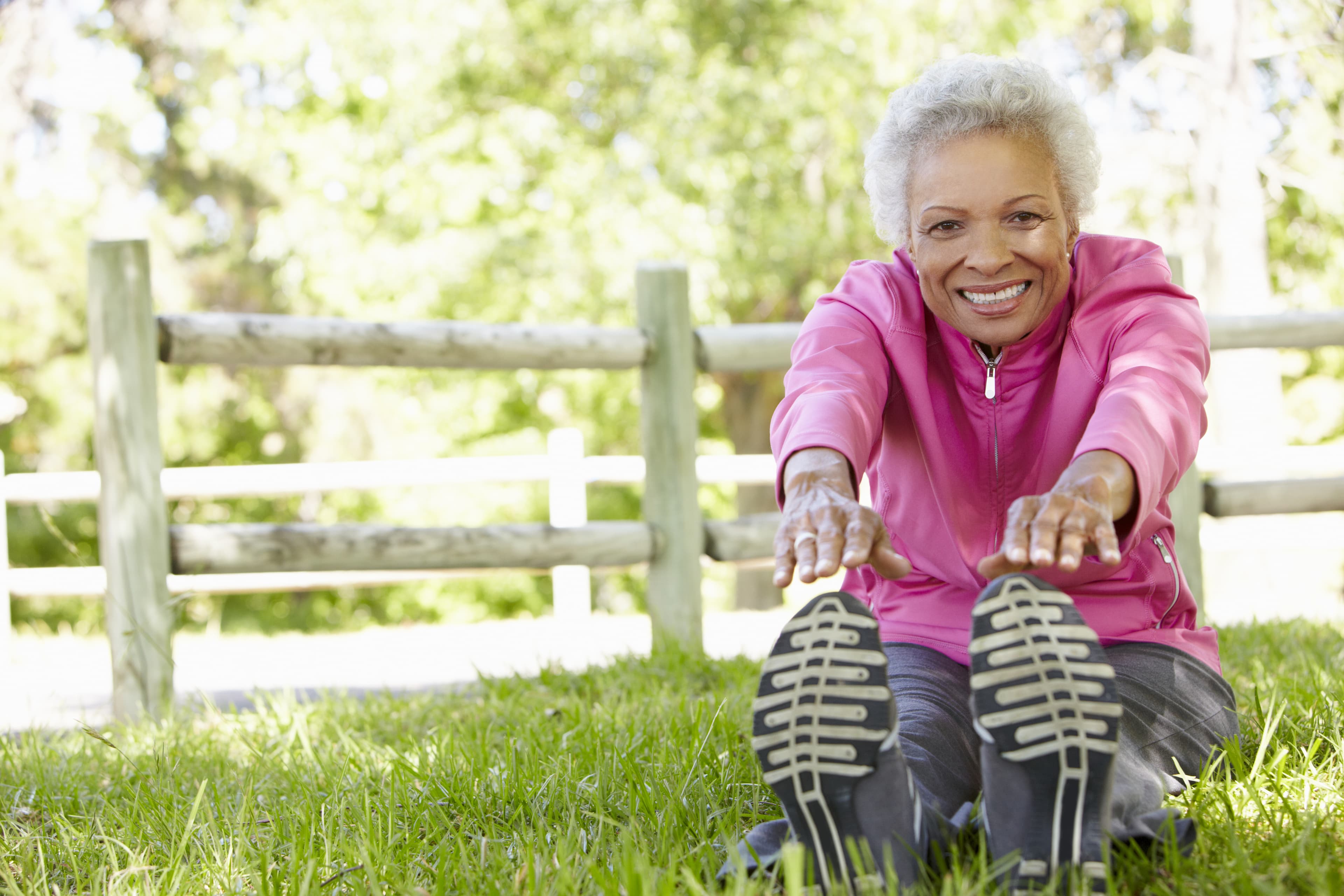
Have you noticed your legs or feet looking puffy, red, or unusually swollen? Seeing your calves or ankles bloat up can certainly be concerning, but it’s a common issue, especially as we age. Often, simple lifestyle adjustments, including a balanced diet and regular physical activity, can significantly relieve uncomfortable symptoms and boost your overall quality of life.
It might seem counterintuitive, but exercise is one of the most effective ways to reduce swelling in your legs and feet. Staying active enhances your circulation, preventing blood and lymph fluid from pooling in your lower extremities. This natural anti-inflammatory response helps alleviate discomfort and promotes healthier circulation.
No matter your current fitness level, it’s possible to find relief from swelling through movement. However, always speak with your primary care physician before starting any new exercise routine, especially if you have underlying health conditions. Once you have their go-ahead, here are 5 gentle yet effective exercises you can easily incorporate into your daily routine:
1. Walking in place
Walking in place is a fantastic low-impact exercise, especially if using a treadmill or walking outdoors feels challenging due to arthritis or balance concerns. It helps improve circulation without putting excessive strain on your joints.
How to do it:
Stand next to a sturdy table, desk, or a chair without wheels.
Lightly hold onto the object with one hand for support.
Begin marching in place, lifting your knees comfortably.
Start with 5 minutes if you're new to exercise.
Progress by gradually adding 5-10 minute intervals each week as your strength improves.
Aim for 30 minutes or more per session as you get stronger.
Carewell tip: Keep a water bottle and phone near you at all times. That way, you can stay hydrated and call someone if you fall or have an accident.
2. Lying down trunk rotation
This gentle stretch helps improve flexibility in your lower back and hips, encouraging better fluid movement throughout your core and lower body.
How to do it:
Lie flat on your back on a comfortable surface.
Bend your knees, keeping the soles of your feet flat on the ground.
Slowly let both knees fall to one side, feeling a gentle stretch in your lower abdomen and hips.
Important: Be careful not to arch your lower back.
Hold the stretch for 15-20 seconds
Return your knees to the center starting position, take a few deep breaths, and then slowly let your knees fall to the other side.
Repeat for about 20 repetitions on each side.
3. Cycling (Stationary bike)
Cycling is a low-impact activity that's kind to your knees while providing a great cardiovascular workout. It significantly boosts circulation throughout your entire body, strengthens your heart, and improves vein health – all crucial factors in reducing swelling in the legs and feet.
How to do it:
Use a stationary bicycle, adjusting the seat height so your leg has a slight bend at the knee when the pedal is at its lowest point.
Begin pedaling at a comfortable, steady pace.
Focus on consistent, rhythmic motion to encourage blood flow.
Start with 10-15 minutes and gradually increase duration as your stamina improves.
4. Standing leg lifts
Standing leg lifts are excellent for strengthening the muscles in your legs and buttocks, which supports better circulation and can also improve your balance and mobility.
How to do it:
Stand next to a sturdy table, handrail, or counter for support.
Place your feet shoulder-width apart.
Slowly lift one leg straight back behind you, keeping your knee straight, until you feel a mild stretch in your glutes.
Hold this position for 5-10 seconds
Slowly return your leg to the ground.
Repeat the exercise on the other leg.
Perform 10-12 repetitions on both legs daily.
Caregiver tip: "I've found that sometimes the best way to encourage my dad to exercise and stay fit is to work out alongside him. He's way more encouraged when it's something that we can do together!" - Rob H.
5. Squats
Squats are a fantastic functional exercise that strengthens your entire lower body, helping to pump fluid out of your legs and feet. They also boost overall strength and independence in daily activities.
How to do it:
Stand with your feet slightly wider than shoulder-width apart, toes pointing slightly outward.
Keeping your chest up and core engaged, push your hips back and bend your knees as if you’re about to sit down in a chair.
Distribute your weight evenly through the middle of your feet, avoiding leaning too far back onto your heels or forward onto your toes.
Lower yourself until your knees are at approximately a 90-degree angle (or as far as comfortable without pain).
Hold for one second, then slowly return to a standing position.
Repeat for 8-12 repetitions, or as many as you can comfortably manage with good form.
Important considerations for managing swelling
While exercise is a powerful tool, it's just one part of a comprehensive approach to managing swollen legs and feet. Keep these vital tips in mind:
Elevate Your Legs: When resting, elevate your legs above your heart for 15-30 minutes, several times a day. Use pillows or a wedge cushion.
Stay Hydrated: Drink plenty of water throughout the day. Dehydration can sometimes worsen fluid retention. You can shop our assortment of electrolyte drinks here.
Manage Sodium Intake: A high-sodium diet can contribute to fluid retention. Try to reduce processed foods and added salt.
Consider Compression: Compression stockings or socks can help gently squeeze fluid out of your lower limbs and prevent it from pooling. You can shop our assortment of compression socks here. Always consult your doctor before using compression garment.
Regular Movement: Avoid long periods of sitting or standing. Take short walks or perform simple ankle pumps every hour or so.
Listen to Your Body: If any exercise causes pain, stop immediately.
Consult a Professional:
Always talk to your doctor before starting any new exercise program, especially if you have underlying health conditions like heart disease, kidney disease, or diabetes.
Seek immediate medical attention (call 911 or visit the nearest emergency room) if your swelling:
Occurs suddenly and severely.
Is in only one leg.
Is accompanied by redness, warmth, or increased pain.
Comes with shortness of breath, chest pain, or dizziness.
If you’re preparing to start an at-home exercise routine and need help finding grab bars or other equipment, get in touch. Our Care Specialists can answer your questions and make product recommendations. Call (800) 696-CARE or send an email to support@carewell.com.
Other Articles You May Like
7 Physical Therapy Exercises You Can Do At Home
At-home physical therapy exercises can support a large range of mobility and don’t require you to be physically fit to start - many of these can be done sitting in a chair or a bed, or while using equipment you likely already have in your home.
Read More >
Slow and Steady Wins the Race: 6 Tips for Preventing Injuries in Physical Therapy
Are you preparing to start a physical therapy regimen? Here are 6 tips for preventing injuries and getting the most out of treatment.
Read More >Chad Birt
Chad Birt is a freelance medical writer who resides in Astoria, Oregon. When he isn't behind a keyboard, you can find him hiking, camping, or birdwatching with his wife Ella and their two dogs, Diane and Thoreau.