


Checklist of Helpful Products For Heavy Incontinence

Written by Nate Birt on Tue Aug 05 2025.

Caring for a loved one with heavy incontinence can be challenging, but having the right products can make a significant difference. Incontinence, which is the loss of bladder or bowel control, can stem from various factors, including age, chronic medical conditions, or mobility issues.
According to the National Institute on Aging, urge incontinence and functional incontinence are two of the most common types. Urge incontinence is characterized by a sudden, strong need to urinate, often associated with conditions like Alzheimer’s or diabetes. Functional incontinence occurs when a person is unable to reach the bathroom in time due to mobility challenges.
This checklist provides an overview of helpful products to support your loved one and help them maintain comfort, dignity, and a clean environment.
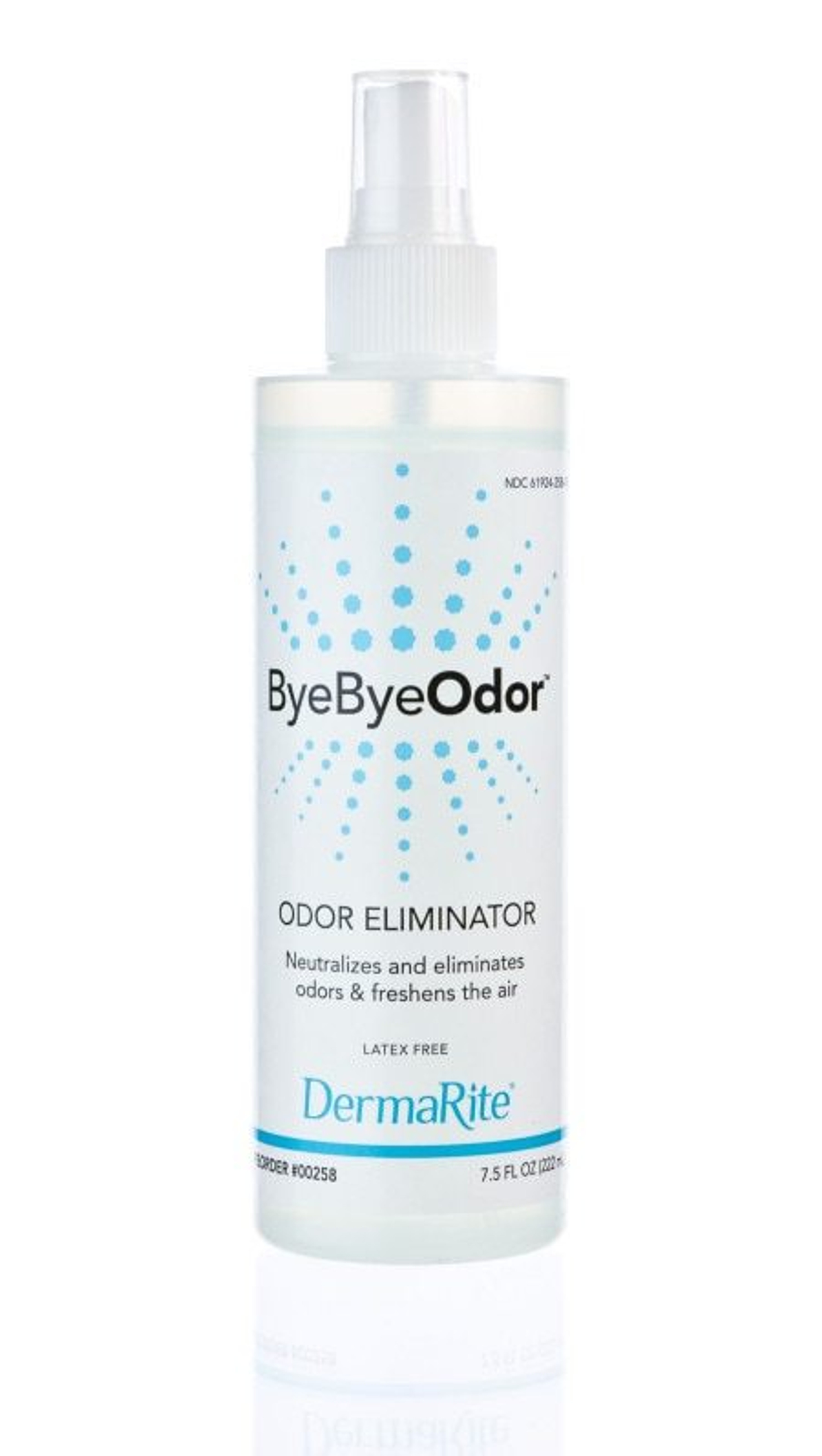
Step 1: Manage odors with deodorizers
Deodorizers are essential for keeping living spaces fresh and clean. In the event of an accident, a deodorizer can effectively neutralize odors, ensuring a more pleasant environment for everyone.

Step 2: Use booster pads to increase absorbency
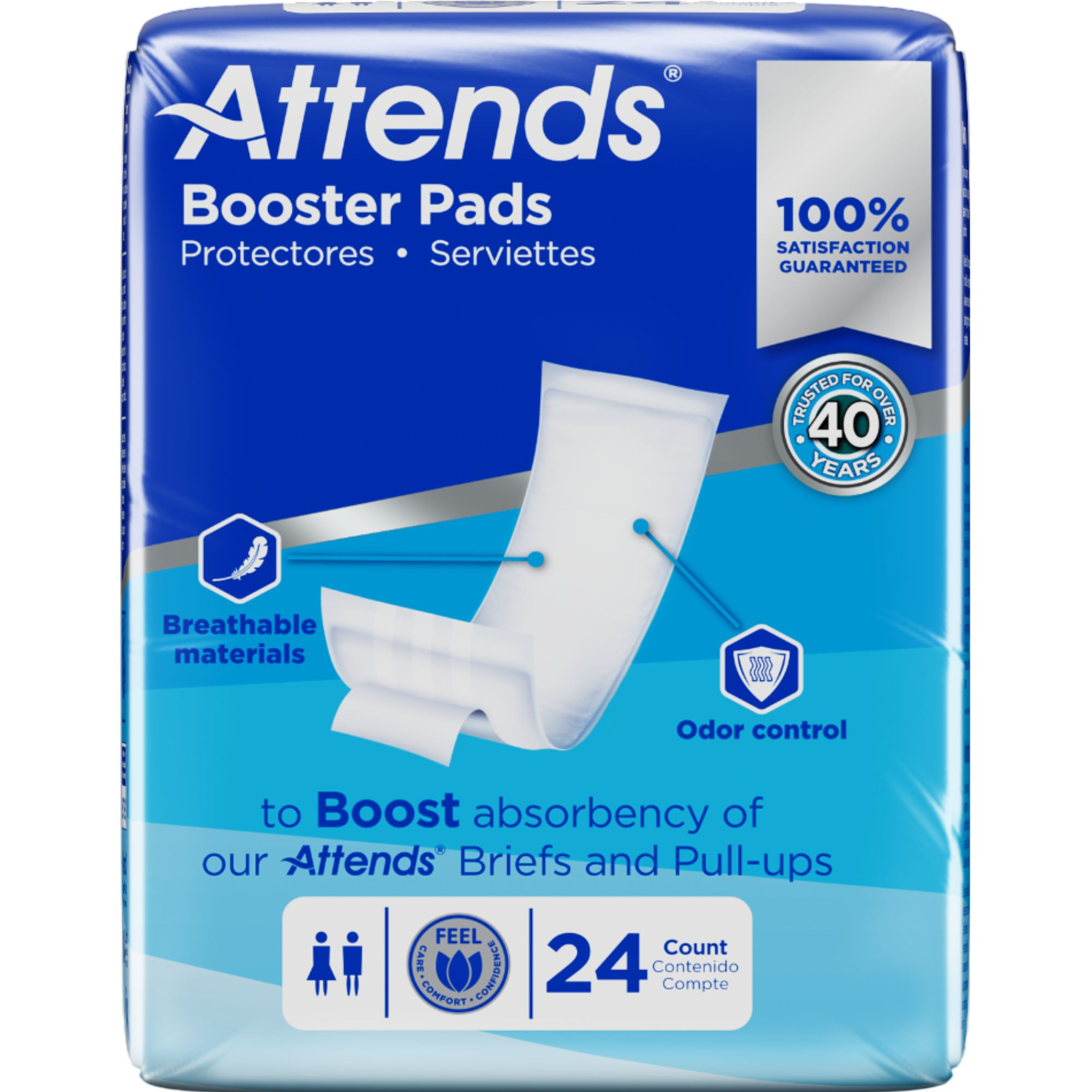
If you're caring for someone with heavy incontinence, you know how often you have to change their undergarments. Booster pads are designed to be added to diapers or briefs, allowing them to absorb more liquid. This can result in fewer changes per day, increasing your loved one's comfort and saving you valuable time as a caregiver.
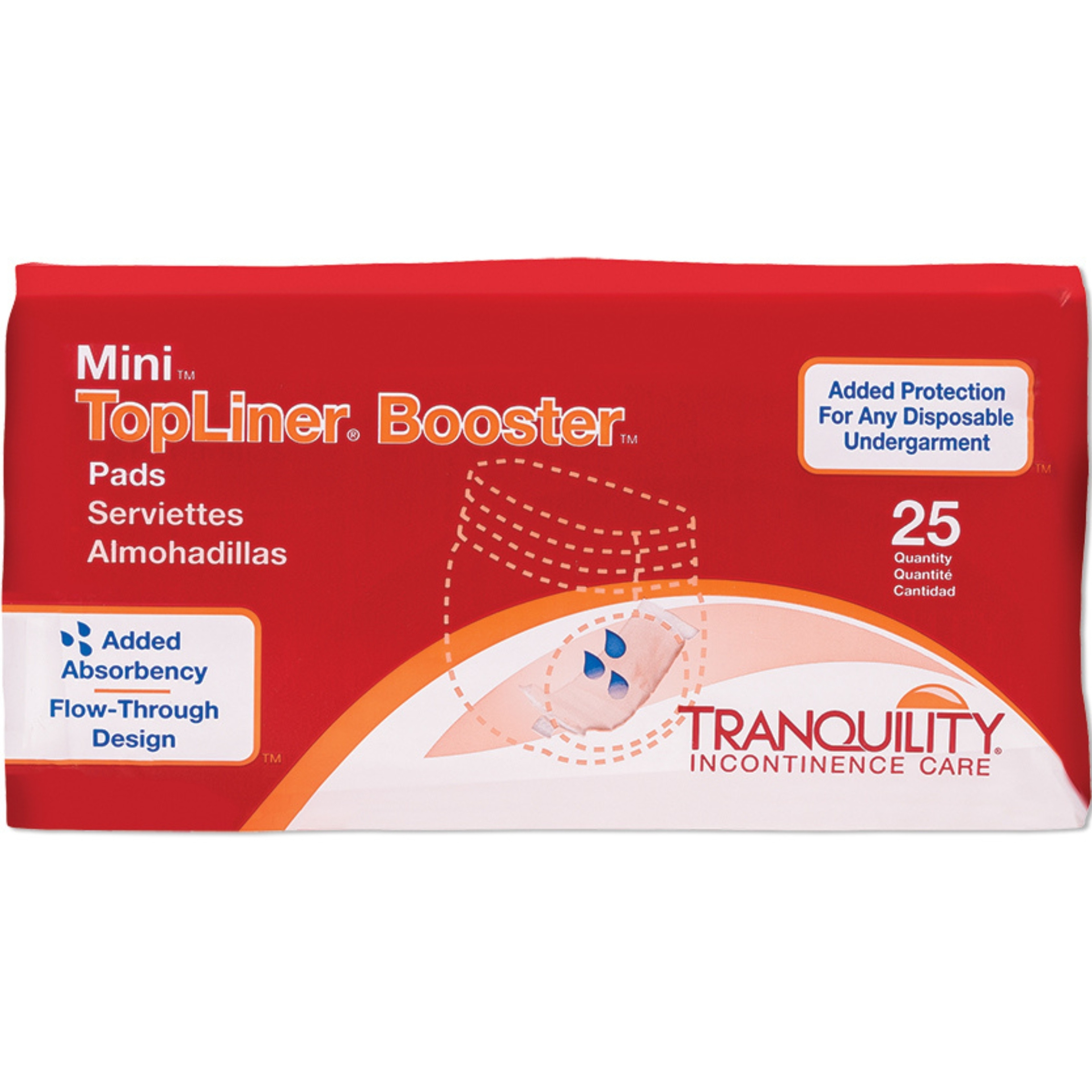
Tranquility TopLiner Disposable Booster Pads with Adhesive Strip, Maximum Absorbency
Price: $7.22 - $64.94
Step 3: Protect furniture with underpads
Underpads (also known as bed pads) are an important product for protecting furniture like beds, chairs, and wheelchairs. They absorb moisture to keep your loved one's surroundings dry and comfortable, and they prevent spills from damaging your home furnishings.


Step 4: Clean and refresh skin with adult wipes
Using the right adult wipes is crucial for maintaining your loved one's skin hygiene. Look for wipes that are gentle, free of harsh chemicals, and easy for caregivers to use. They make it simple to clean up and freshen your loved one.


Step 5: Keep your space clean with a waste container and liners
Properly disposing of soiled products is a key part of caregiving. A waste container with liners can help you safely and hygienically dispose of diapers, wipes, and other waste. The liners help contain odors and make it easy to seal up and remove trash.
Step 6: Maintain skin health with cleansers
Cleansers are used to keep the skin clean and free of waste, which helps prevent irritation and infection. There are cleansers specifically designed for sensitive areas, like the perineum, to ensure your loved one's skin stays healthy and odor-free.


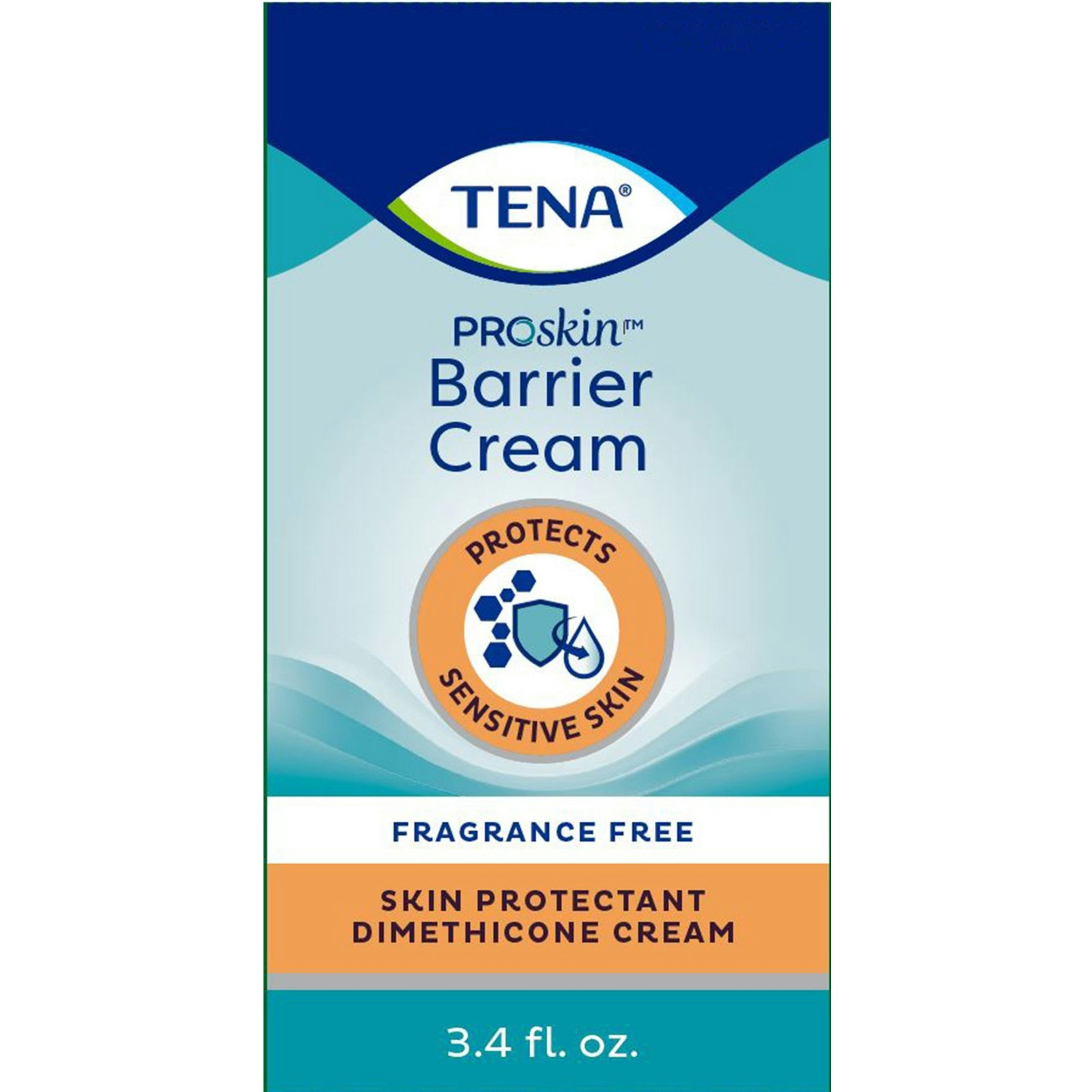
Step 7: Protect and heal skin with a barrier cream
A barrier cream creates a protective layer on the skin to shield it from moisture and contaminants, such as urine or feces. This can prevent skin breakdown and help damaged skin heal faster.
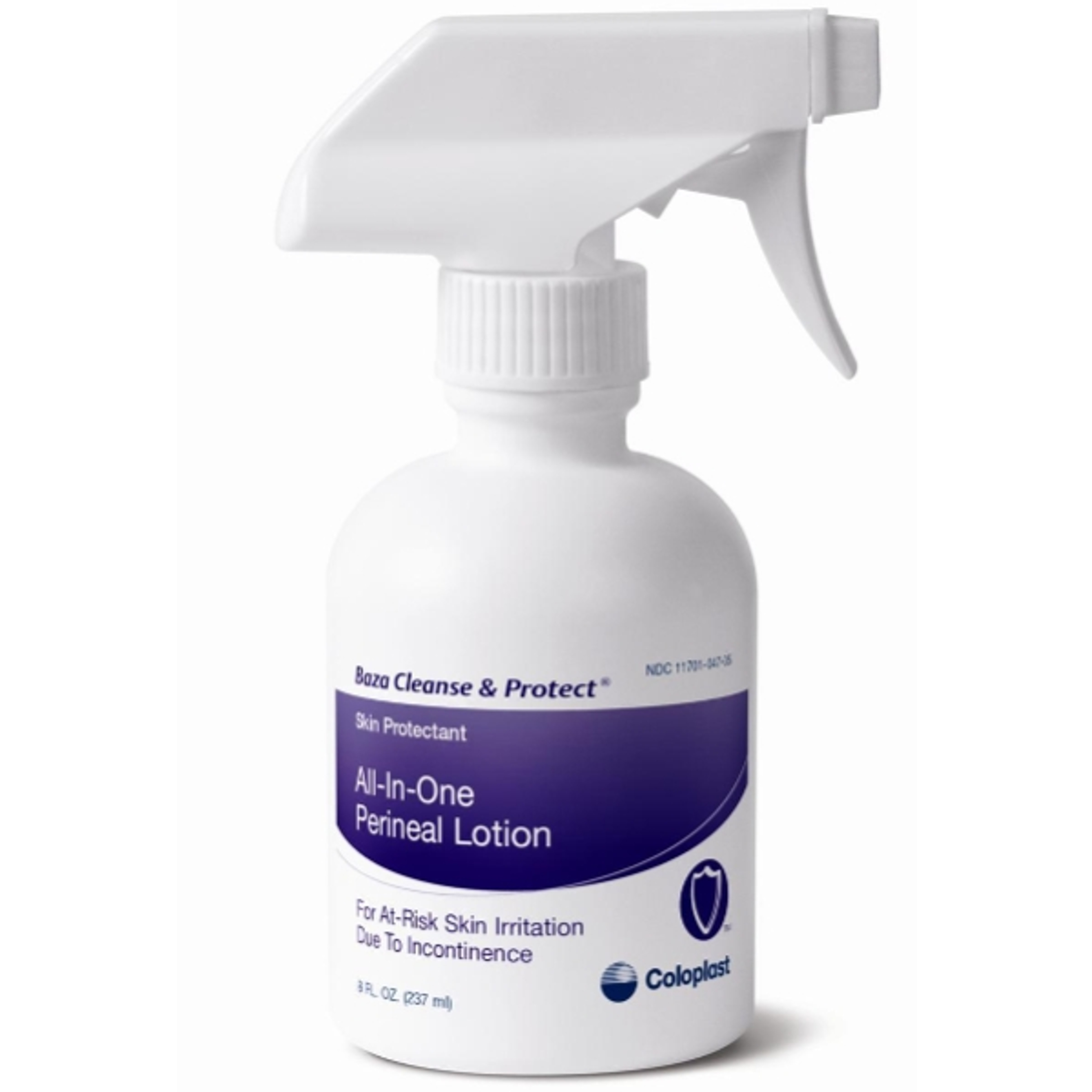
Coloplast Baza Cleanse and Protect Skin Protectant One-Step Perineal Lotion, 8 oz,
Price: $18.06 - $266.65
Step 8: Stay protected with disposable gloves
Disposable gloves are a must-have for caregivers. They protect your hands from bodily fluids and waste during cleanup, ensuring a sanitary process. They provide the flexibility you need for thorough cleaning and can be easily disposed of after each use.

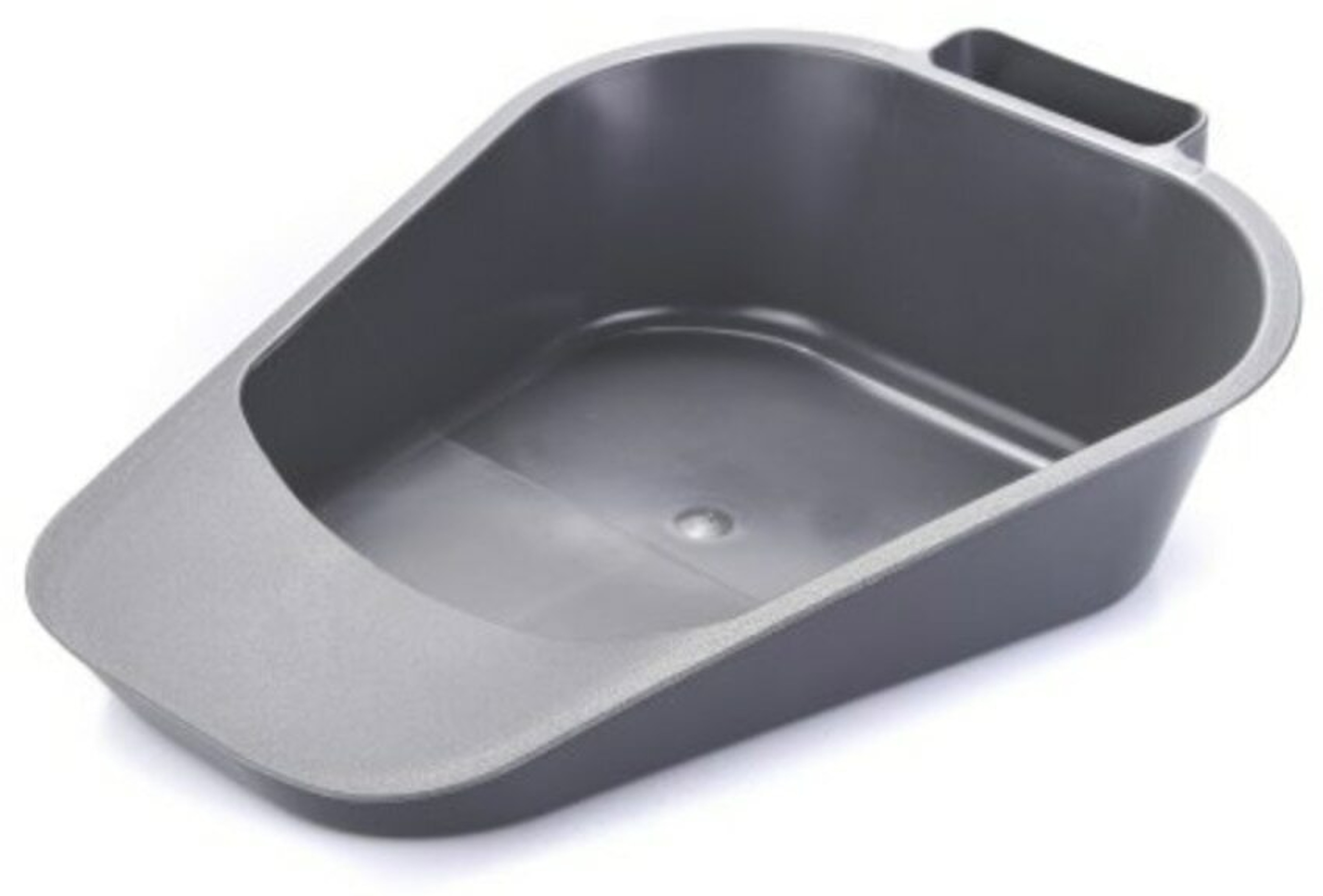
Step 9: Use a bed pan for easy toileting
For loved ones who have difficulty getting to the bathroom, a bed pan offers a convenient solution. It can be placed underneath them to collect waste, and its hard, streamlined design makes it easy for you to clean and sanitize.
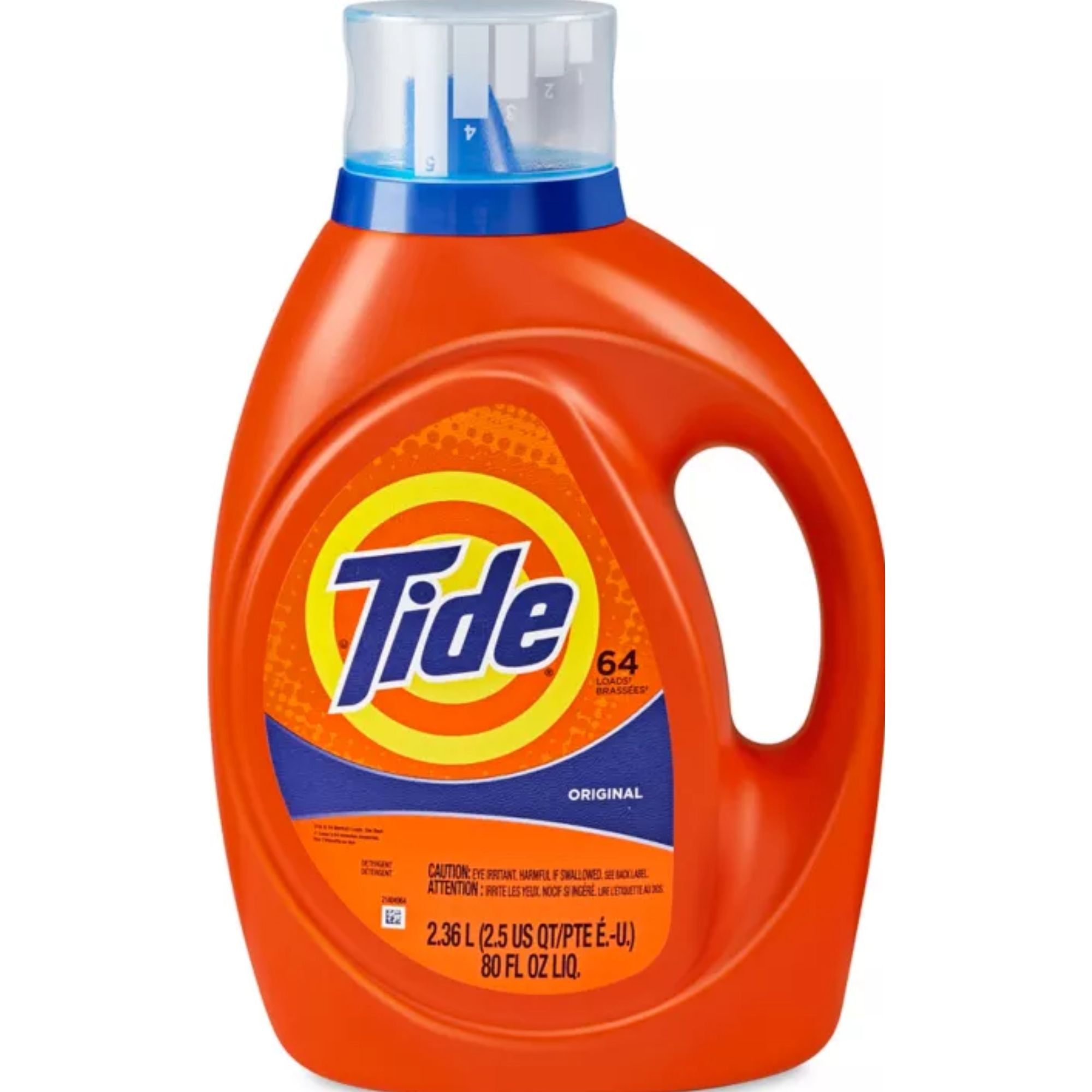
Step 10: Keep clothes clean with laundry detergent
Effective laundry detergent is essential for cleaning clothes and removing stains caused by incontinence. Keeping your loved one in clean, fresh clothing can help preserve their dignity and make public outings more comfortable.
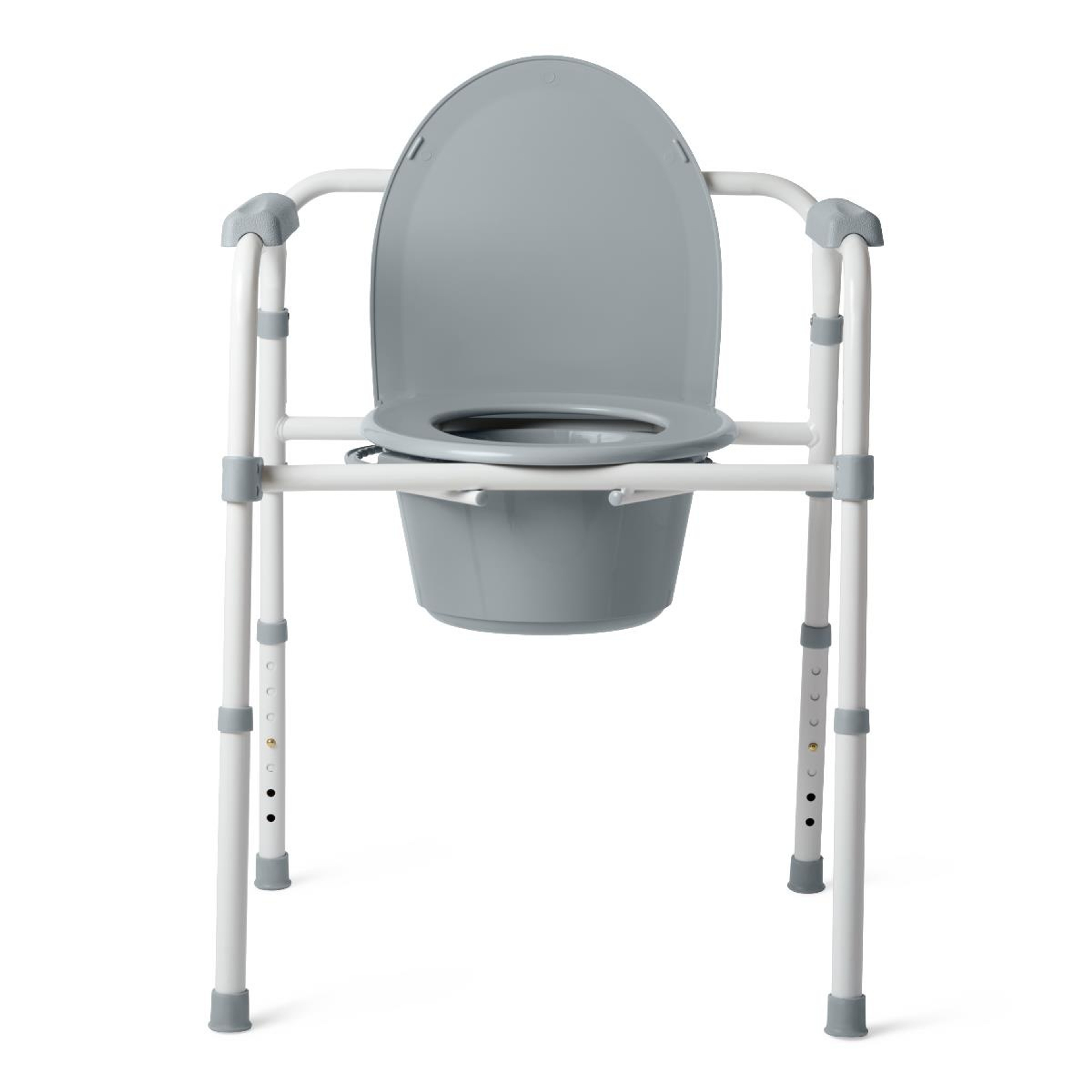
Step 11: Provide a commode for a portable toilet
If your loved one struggles to get to the bathroom in time, a commode can be a great help. These portable toilets come in various designs to support people with different mobility levels, providing a safe and accessible toileting option wherever they are.
Step 12: Ensure a thorough clean with cleaning wipes
For situations where toilet paper isn't enough, cleaning wipes can help you thoroughly clean your loved one and remove any residue after they use the toilet. They are easy to use and can be disposed of promptly.
Expert insight
“For those with heavier incontinence, starting with a discreet brief would be a great starting point and, if necessary, a booster pad or a heavier brief for both day and nighttime use,” says Kiera Powell, Carewell’s consulting nurse. “In severe cases, medications can be prescribed if there are underlying conditions that are leading to the incontinence.”
Need more help?
Choosing the right products can be overwhelming. That’s why Carewell is here to help. If you need assistance finding the perfect product, we invite you to talk to one of our caregiving specialists today. We're here to support you!
Other Articles You May Like

Tips for Preventing Incontinence Leaks
If you or the person you care for use incontinence products, you might notice leaks every once in a while. This may often happen following periods of activity or overnight. Leaks can lead to skin irritation, wet clothes, odors, and embarrassment. This can affect the quality of life and erode a person’s conscience.
Read More >
How to Prevent Rashes and Skin Breakdown
Our skin is resilient and helps keep us protected from the elements. However, in some cases, lifestyle factors like being unable to move around freely or spending a great deal of time seated can damage our skin. Here are a few simple steps on how to help a loved one’s skin with some extra TLC.
Read More >Nate Birt
Nate Birt is a healthcare writer with a journalism degree from University of Missouri. He lives with his wife and their four children on a small farm in Missouri.