


Top 7 Tips for Creating a Senior-Friendly Home Environment
Written by Carewell Team on Thu Sep 11 2025.
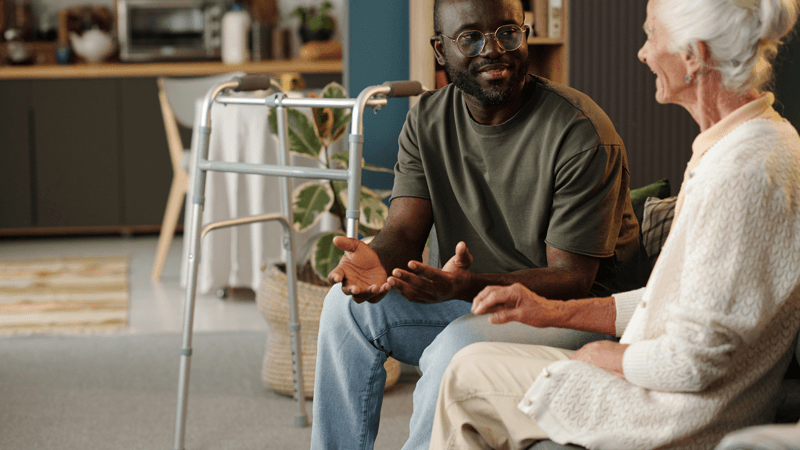
As we age, our homes can present new challenges to our mobility and safety. What was once a comfortable space can become a source of potential hazards, with stairs, slippery floors, and poor lighting increasing the risk of falls and injuries. Creating a senior-friendly home environment is a proactive step that can help your loved one maintain independence, safety, and comfort for years to come.
Here are seven essential tips for adapting a home to meet the needs of aging adults.
1. Focus on fall prevention
Falls are the leading cause of injury among older adults. By making some key changes, you can significantly reduce the risk.
Remove tripping hazards: Get rid of loose rugs and secure all area rugs with non-slip backing. Clear pathways of clutter, electrical cords, and furniture that could be a tripping risk.
Install grab bars: Grab bars are essential in high-risk areas like the bathroom. Place them near the toilet and inside and outside the shower or tub for crucial support and stability.
Handrails: Ensure that all staircases, both indoors and out, have sturdy handrails on both sides. Consider extending them beyond the top and bottom steps for added support.


2. Improve lighting throughout the home
As we age, vision can decline, making it harder to see in low-light conditions. Proper lighting can prevent falls and make daily tasks easier.
Increase brightness: Use brighter bulbs in key areas like hallways, kitchens, and bathrooms.
Add night lights: Place night lights in bedrooms, hallways, and bathrooms to illuminate paths during nighttime trips.
Reduce glare: Choose light fixtures with diffused shades or frosted bulbs to reduce harsh glare, which can be disorienting for aging eyes. Motion-activated lights are also great for automatically lighting up a space.
3. Enhance bathroom safety
The bathroom is one of the most dangerous rooms in the house due to wet, hard surfaces.
Non-slip surfaces: Use non-slip mats or strips in the shower and on the bathroom floor.
Install a shower chair or bench: For those with limited mobility or balance issues, a shower chair provides a safe place to sit while bathing.
Consider a raised toilet seat: A raised toilet seat with armrests makes it easier to sit down and stand up, reducing strain on knees and joints.
Look for lever-style faucet handles: These are easier to operate than traditional knobs, especially for those with arthritis.


4. Adjust flooring for better mobility
The type of flooring you have can greatly impact safety and ease of movement, especially for those who use walkers or wheelchairs.
Choose low-pile carpet: Thick, high-pile carpeting can make it difficult to maneuver a walker or wheelchair. Low-pile carpet offers cushioning while still providing a smooth surface.
Consider alternatives: Vinyl, linoleum, and cork flooring are excellent options. They are soft underfoot, easy to clean, and often have non-slip properties.
Repair damage: Fix any cracked tiles, loose floorboards, or curled carpet edges immediately.
5. Make kitchen and living areas accessible
Simple modifications can make a big difference in the most-used rooms of the home.
Rearrange for easy access: Keep frequently used items on lower shelves and in easily accessible cabinets.
Change doorknobs to levers: Lever-style door handles are much easier to use for those with arthritis or limited hand strength.
Use reachers and grabbers: These tools allow your loved one to pick up items from the floor or high shelves without bending or stretching.

6. Leverage smart home technology
Technology offers a range of tools to improve safety and convenience.
Voice-activated assistants: Devices like Google Home or Amazon Alexa can be used to control lights, make calls, and set reminders for medications, all with simple voice commands.
Automated lighting and thermostats: Smart lights can be scheduled to turn on and off automatically, and smart thermostats can be adjusted remotely or by voice, ensuring a comfortable and safe environment without physical effort.
Fall detection and medical alert systems: Many smartwatches and dedicated medical alert systems can detect falls and automatically alert emergency services or caregivers, providing invaluable peace of mind.

7. Plan for future needs
Consider consulting with an occupational therapist or a Certified Aging-in-Place Specialist (CAPS). These professionals can evaluate the home and recommend modifications based on your loved one’s specific needs, helping you plan for both current and future accessibility.
Other Articles You May Like
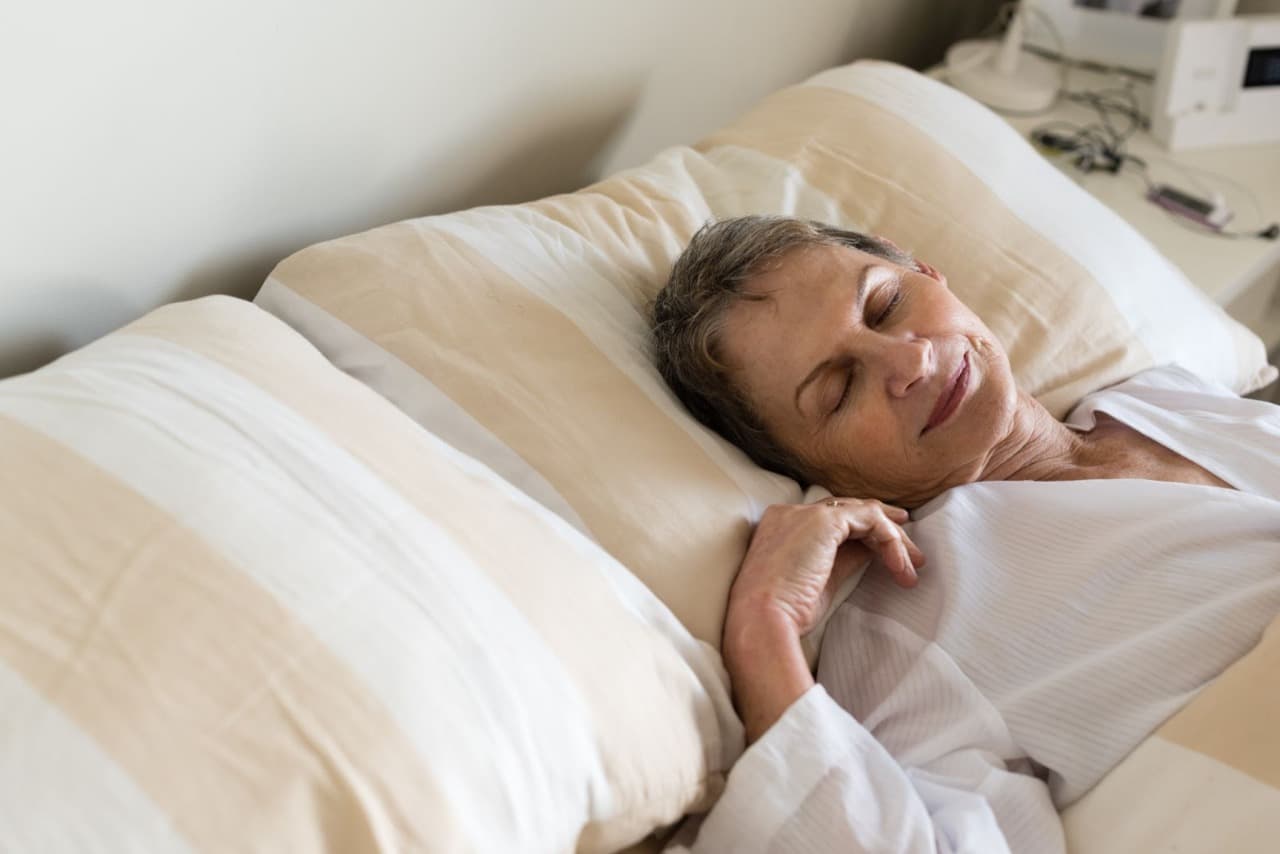
Limited Mobility Caregiving: How to Prevent Bedsores with Pillows and Cushions
Though there’s no way to prevent pressure sores altogether, special cushions and pillows can reduce your loved one’s risk. In this article, we briefly explain how bedsores form, discuss how to spot the early warning signs, and recommend several products to help your loved one stay comfortable and pressure-sore-free.
Read More >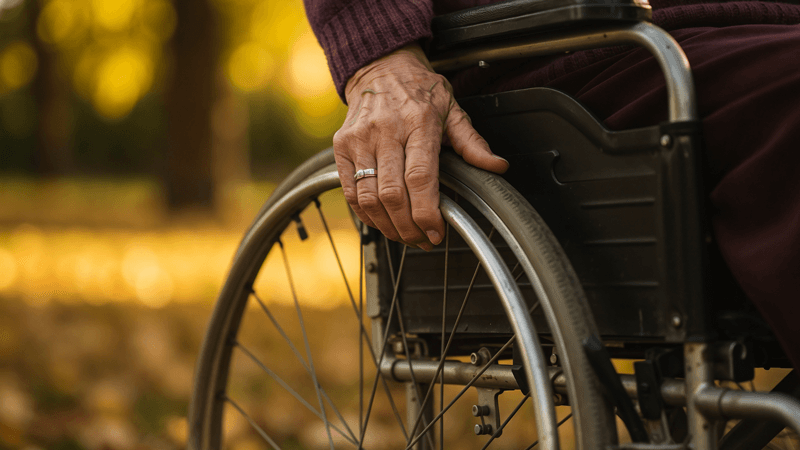
Top 6 Mobility Aids for Caregivers: The Ultimate Guide to Transporting a Loved One
Caring for a loved one who needs assistance with mobility can be a rewarding yet challenging experience. Ensuring their safety and comfort, as well as your own, often hinges on having the right tools. From getting around the house to appointments and outings, the right mobility aids can make all the difference. This guide will introduce you to six essential mobility aids, perfect for caregivers looking to provide the best support for their loved ones.
Read More >