


Tips for Cleaning Up Urine and Feces in the House

Written by Chad Birt on Thu Jun 19 2025.
When you're caring for someone with urinary or fecal incontinence, accidents can become a regular part of your daily routine. While products like underpads and protective bedding are essential for safeguarding your furniture and mattresses, there will inevitably be times when you need to go the extra mile to eliminate stubborn odors and stains.
To help make these cleanups a little easier and more effective, we've created this basic guide. Below, you'll find a list of must-have items for your cleaning kit, along with step-by-step instructions for removing odors and stains from various surfaces in your home.
What items should I include in an accident cleanup kit?
Having a dedicated kit with the right supplies on hand is crucial for making incontinence cleanups safer, quicker, and more effective. Adriana Aziz, the operations manager at MaidForYou, a large house cleaning company based in Sydney, Australia, says that having the right items in your caddy makes cleanups safer and easier.
“When cleaning homes of clients who are elderly or suffering from a disability, we provide our teams with a completely different caddy than we would our standard clients,” Aziz said.
Your incontinence cleanup caddy should include:
Protective eyewear (glasses or goggles)
Bleach
Vinegar
Baking soda
Lysol spray (or another type of disinfectant)
A small bucket (for hot or cold water)
An empty spray bottle
Enzyme-based cleaning product
Clean sponges
Dish soap
Paper towels
Clean towels or rags
What should I do if my care recipient has an accident?
If an accident happens outside the bathroom, the most important thing is to stay calm and act quickly.
While it's natural to worry about your flooring or furniture, Jen Stark, founder of Happy DIY Home, advises prioritizing your loved one first. "Help your care recipient get cleaned up and changed into dry clothing," Stark recommends. Prompt cleanup is crucial, as long-term exposure to urine and fecal matter can lead to skin breakdown, increasing the risk of issues like diaper rash and yeast infections.
Need a refresher on changing adult diapers? Here's how to change an adult diaper: a step-by-step guide.
How do I clean up urine and/or feces on the floor?
The method for cleaning incontinence messes from flooring depends on the type of material. Here are common scenarios:
Removing feces from carpet
Protect Yourself: Put on your protective eyewear and rubber gloves.
Remove Solids: Blot up as much of the feces as possible using clean paper towels. Gently squeeze the carpet fibers to draw the matter to the surface. Sponge the area with cold water.
Create Cleaning Solution: In an empty spray bottle, mix two cups of water with one tablespoon of dish soap and one tablespoon of white vinegar.
Apply and Blot: Spray the solution onto the soiled area. Let it sit for at least 15 minutes, then blot it up with clean paper towels. Repeat these steps until the stain is completely gone.
Removing feces from hard top flooring
Wipe Up: Wipe up as much of the waste as possible with paper towels or a mop.
Clean & Disinfect: Fill a bucket with warm water and a tablespoon of dish soap. Scrub the stained area until it's no longer visible.
For Stubborn Stains: If soap and water don’t eliminate it, an enzyme digester.
Removing urine from carpet
Blot Thoroughly: Immediately grab clean paper towels and blot up as much of the liquid as possible.
Rinse & Re-Blot: Rinse the stained area with cold water, then blot again with more paper towels.
Apply Enzyme Cleaner: Spray the area generously with an enzyme-based solution and let it sit for 10-15 minutes, or as directed by the product.
Vacuum: After the spray dries, vacuum the area thoroughly.
Removing urine from hard top flooring
Blot Puddle: Blot up the puddle with clean paper towels.
Wipe & Sanitize: Wipe down the area with disinfectant wipes or scrub the area with a sponge, warm water, and dish soap.
Air Dry:
Once the urine is completely gone, allow the floor to air dry.
How do I clean up urine and/or feces from bedding?
If your care recipient has mobility issues or other health problems that lead to nighttime accidents, knowing how to clean soiled bedding efficiently is essential.
"First, remove all soiled bedding, along with your loved one's clothes," advises Adriana Aziz. "Soak the clothing and bedding in a solution that's equal parts white vinegar and cold water. Then, place them in the washing machine on the highest temperature setting suitable for the fabric."
"It's also a great idea to invest in a waterproof mattress cover," says Jen Stark.

"You can even get ones that zip closed over the entire mattress, offering complete protection and are easy to wipe clean with a vinegar and dish soap solution."
How do I clean urine and/or feces from furniture?
Cleaning soiled furniture is similar to cleaning bedding, with a few key distinctions. Often, prevention is the best strategy for furniture protection.
Stark notes that you can save a lot of time and energy by investing in reusable or disposable furniture pads

"These incontinence products provide an extra layer of protection on places where your loved one sits, offering both discretion and convenience."
Removing feces from furniture
Prepare Solution: Mix two cups of water with one tablespoon of dish soap and one tablespoon of white vinegar in an empty spray bottle.
Apply & Blot: Spray the stained upholstery with the solution. Let it sit for at least 15 minutes, then blot it up with clean paper towels. Repeat until the stain is gone.
Removing urine from furniture
Prepare Solution: Mix one cup of water with one cup of white vinegar in an empty spray bottle.
Soak & Blot: Spray the urine stain until it's thoroughly saturated. Let the solution sit for 15-20 minutes, then blot it dry with paper towels.
What if I still have questions about cleaning up urine and feces?
Providing care for someone with urinary or fecal incontinence presents unique challenges. If you need help selecting products that meet your loved one’s needs, we’re happy to help.
Our friendly Care Specialists speak English and Spanish and can answer any questions you have. To get in touch, send an email to support@carewell.com or call (800) 696-2273 today.
Other Articles You May Like
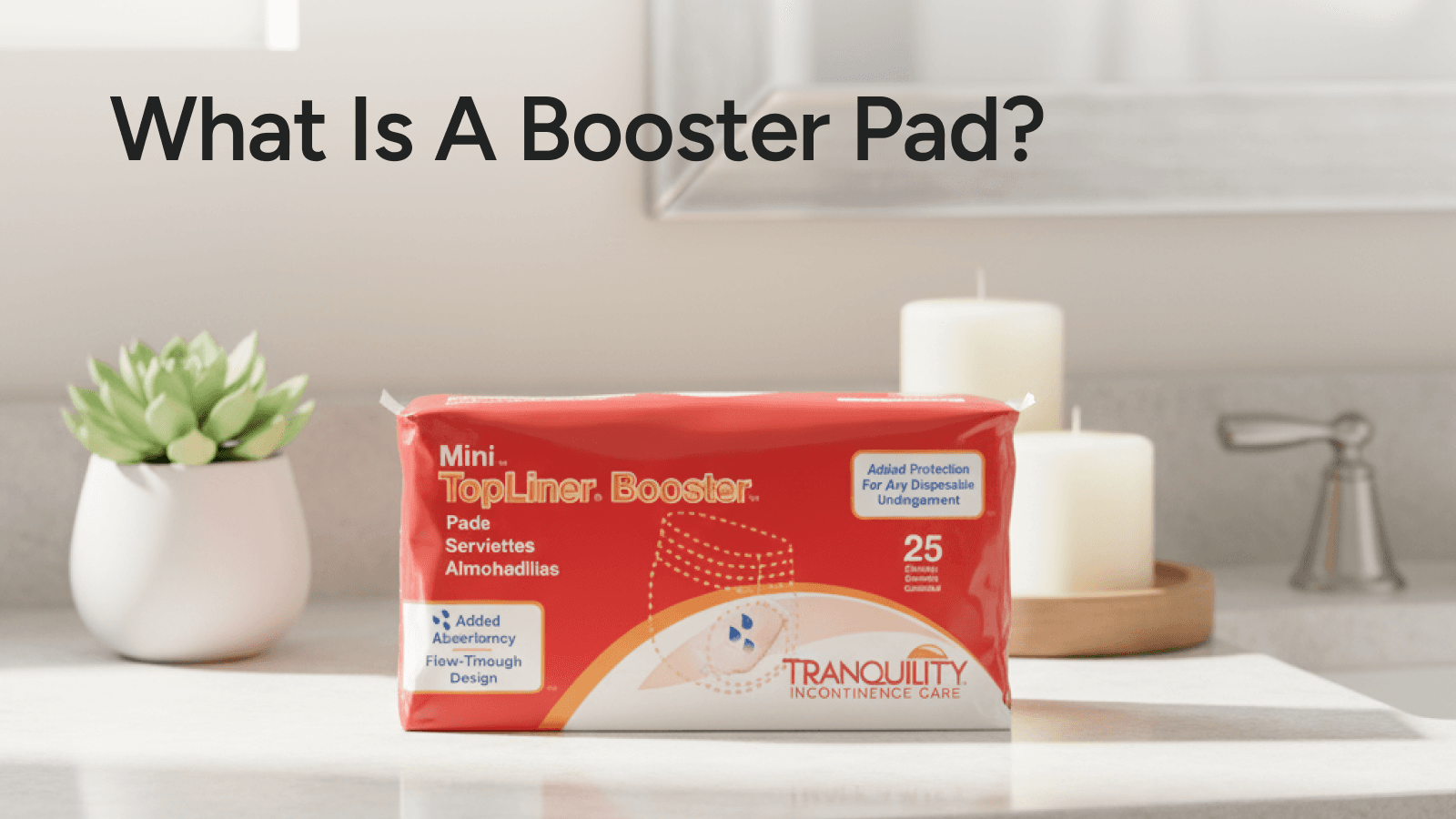
What is a Booster Pad?
Booster pads are often called diaper doublers or topliner pads, and they're an essential tool for managing incontinence. If you wear pull-ups or adult diapers, you've likely experienced the frustration of leaks or the need for frequent changes. Booster pads are designed to solve that problem by providing an extra layer of absorbency and protection.
Read More >
How to Choose the Right Adult Diaper Size: A Complete Sizing Guide
Finding the right adult diaper size is essential for comfort, leak protection, and healthy skin. This guide walks you through how to take accurate body measurements and explains what to do if sizing is a challenge—so you can confidently choose the best fit for your needs.
Read More >Chad Birt
Chad Birt is a freelance medical writer who resides in Astoria, Oregon. When he isn't behind a keyboard, you can find him hiking, camping, or birdwatching with his wife Ella and their two dogs, Diane and Thoreau.