


Caregiver's Guide to Gentle Exercise
0Written by Carewell Team on Mon Aug 25 2025.
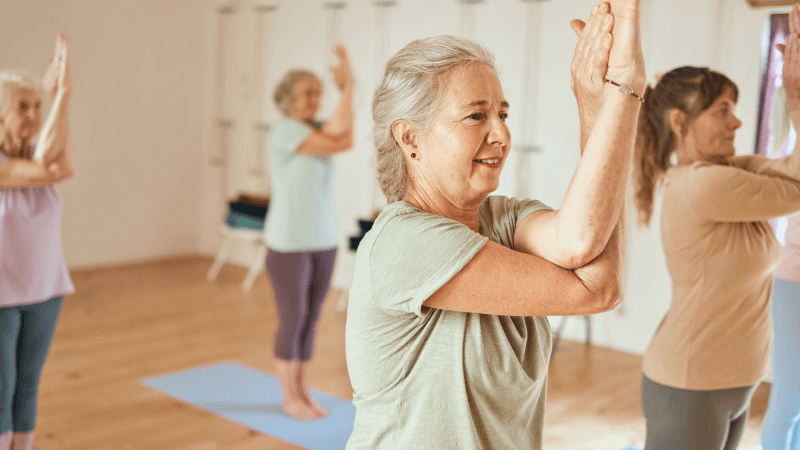
Being a caregiver is a physically and emotionally demanding job. The daily tasks of lifting, moving, and assisting a loved one, combined with the stress and emotional toll, can lead to burnout and injury. Just as you prioritize the well-being of the person you care for, it’s essential to make your own health a priority. Gentle exercises are a powerful form of self-care that can help you manage stress, prevent injuries, and improve both your physical and mental health.
This guide will introduce you to several simple, low-impact workouts that are perfect for a busy caregiver's schedule.
The benefits of gentle movement
Regular physical activity, even in short bursts, can have a profound impact on a caregiver's life. Gentle exercises help to:
Reduce stress and anxiety: Physical activity releases endorphins, the body's natural mood boosters.
Prevent injury: Strengthening your muscles and improving flexibility can help prevent common back and joint injuries from lifting and assisting.
Boost energy levels: Consistent movement can combat fatigue and improve your overall stamina.
Improve sleep: Exercise can help you fall asleep faster and get more restful, quality sleep.
Combat caregiver burnout: Taking time for yourself, even for a few minutes, is a crucial step in preventing emotional and physical exhaustion.
Gentle Exercises You Can Do Today
You don’t need a gym membership or hours of free time to get moving. Many gentle exercises for caregivers can be done at home, often alongside your loved one.
1. Walking
Walking is one of the simplest and most effective forms of exercise. A brisk 10 to 20-minute walk can clear your mind, get your heart rate up, and provide a much-needed change of scenery.
Tip: If you can't leave the house, try walking in place while watching a favorite show or listening to music.
2. Chair exercises
When you have limited mobility or need to stay close to your loved one, chair exercises are an excellent option. They improve circulation and flexibility from a seated position.
Seated Leg Lifts: Straighten one leg out in front of you, hold for a few seconds, and lower it back down. Repeat 10-15 times on each leg.
Arm Circles: Sit up straight and extend your arms out to the sides. Make small, slow circles forward, then backward.
Shoulder Rolls: Gently roll your shoulders forward in a circular motion, then reverse and roll them backward.
3. Gentle yoga and stretching
Stretching helps relieve muscle stiffness and improve posture, especially after long hours of sitting or assisting. Gentle yoga and simple stretches can be done in just a few minutes.
Cat-Cow Stretch: On your hands and knees, arch your back like a cat, then drop your stomach and lift your head like a cow. This is a great way to relieve tension in your back.
Neck Rolls: Gently tilt your head from side to side, then roll it forward to stretch your neck muscles.
4. Tai Chi
Often described as "meditation in motion," Tai Chi involves a series of slow, flowing movements combined with deep breathing. It's renowned for its ability to reduce stress, improve balance, and calm the mind. You can find many free beginner-friendly Tai Chi routines online.
5. Mindful breathing
Sometimes, the best exercise is simply to be still and breathe. Mindful breathing exercises can be done anywhere, anytime, to quickly calm your nervous system.
Box Breathing: Inhale deeply for four counts, hold your breath for four counts, exhale slowly for four counts, and hold again for four counts before repeating.
Making it a habit
Incorporating gentle exercise into your busy schedule is a form of proactive self-care. Start small, even just five minutes a day. By prioritizing your own physical and mental health, you can continue to provide the highest level of care for your loved one for years to come.
Other Articles You May Like
5 Exercises to Reduce Swelling in the Legs and Feet
No matter your current fitness level, it’s possible to find relief from swelling through movement. However, always speak with your primary care physician before starting any new exercise routine, especially if you have underlying health conditions. Once you have their go-ahead, here are 5 gentle yet effective exercises you can easily incorporate into your daily routine.
Read More >
11 Fun Activities That Require Little to No Movement for Seniors
As we age, finding enjoyable activities that accommodate changing mobility becomes increasingly important. You deserve to relax, have fun, and engage your imagination, regardless of your physical capabilities. The good news is, there are abundant fun activities for seniors and families that don't require extensive walking or strenuous physical exertion.
Whether you're seeking activities for seniors with limited mobility, planning a visit with an aging parent or grandparent, or simply looking for intergenerational activities to enjoy with your loved ones, this guide offers fantastic options. Discover how to create lasting memories and have a great time together, focusing on low-impact fun that everyone can enjoy.