





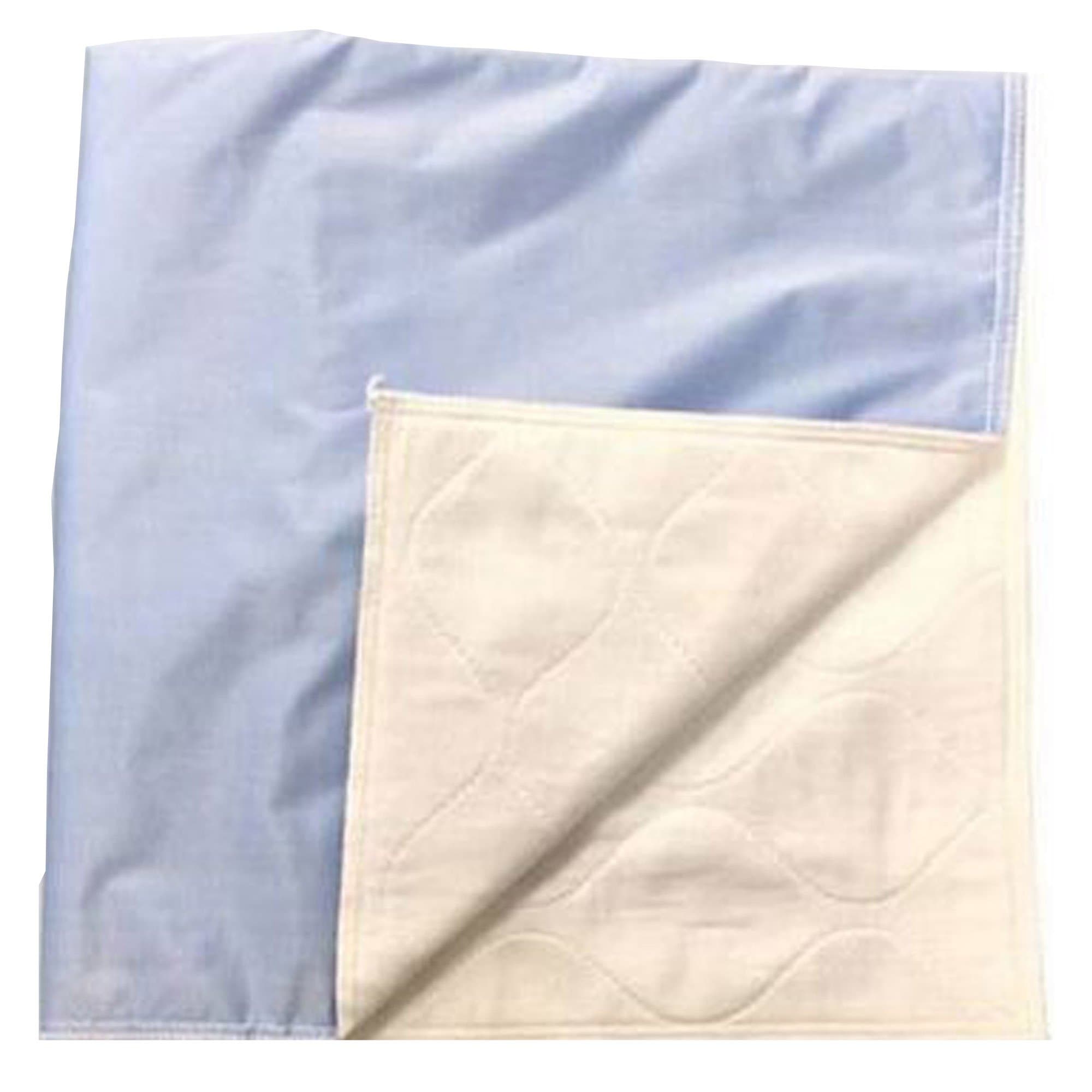
Beck's Classic Econo-Blend Reusable Underpad, Blue, Light Absorbency 36 X 52" - 1 Each
2 options available
5.0 (4)
(4)
(4)$16.00
Arrives Wed, Oct 21 - Thu, Oct 22
FSA & HSA eligible
(4)Arrives Wed, Oct 21 - Thu, Oct 22
FSA & HSA eligible
 (3)
(3)Arrives Wed, Oct 21 - Thu, Oct 22
FSA & HSA eligible
 (17)
(17)Arrives Wed, Oct 21 - Thu, Oct 22
FSA & HSA eligible
 (3)
(3)Arrives Wed, Oct 21 - Thu, Oct 22
FSA & HSA eligible
Arrives Wed, Oct 21 - Thu, Oct 22
 (2)
(2)Arrives Wed, Oct 21 - Thu, Oct 22
FSA & HSA eligible
 (5)
(5)Arrives Wed, Oct 21 - Thu, Oct 22
FSA & HSA eligible
 (22)
(22)Arrives Wed, Oct 21 - Thu, Oct 22
FSA & HSA eligible
Arrives Wed, Oct 21 - Thu, Oct 22
FSA & HSA eligible
Arrives Wed, Oct 21 - Thu, Oct 22
 (3)
(3)Arrives Wed, Oct 21 - Thu, Oct 22
FSA & HSA eligible
 (12)
(12)This product is currently out of stock.
 (14)
(14)This product is currently out of stock.
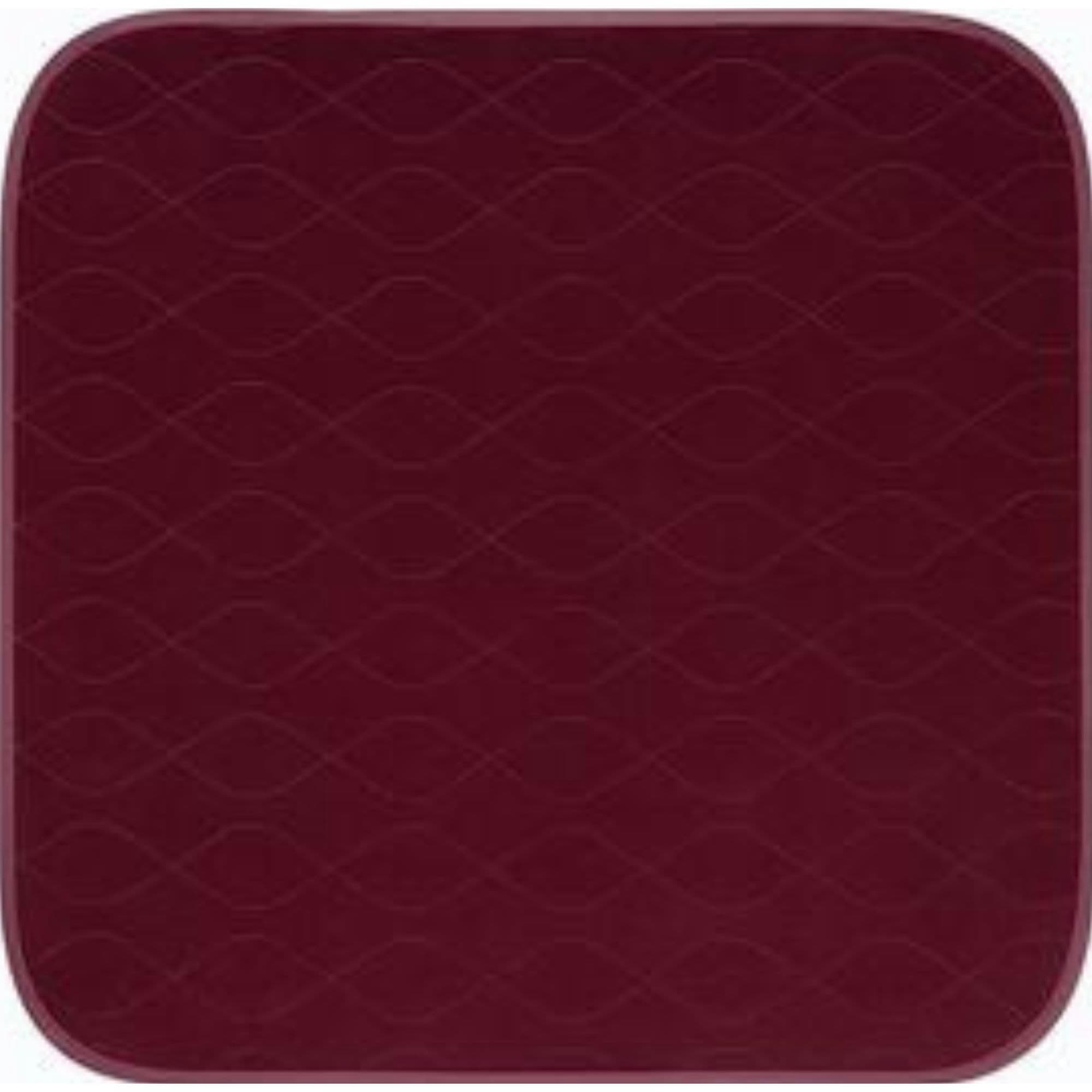
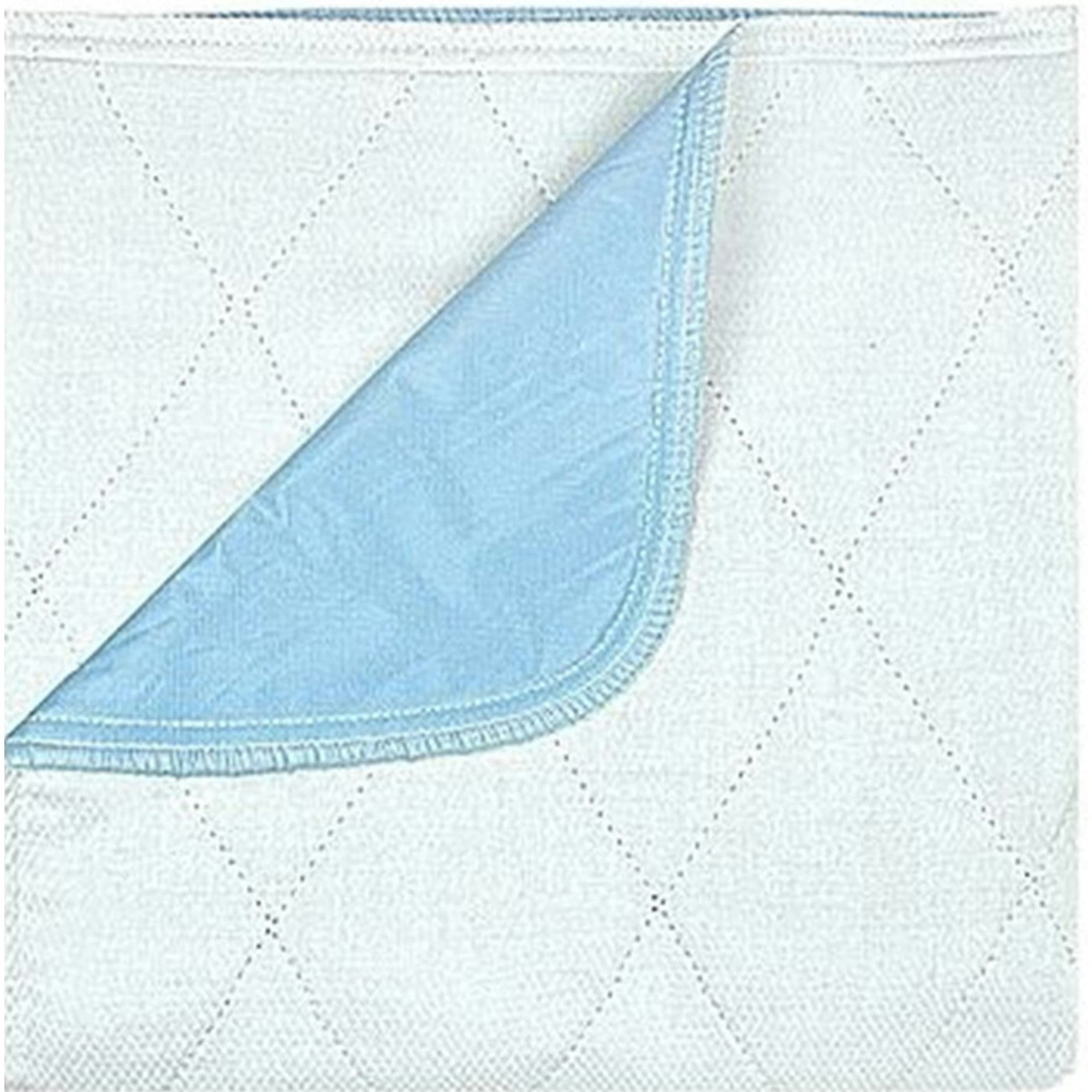
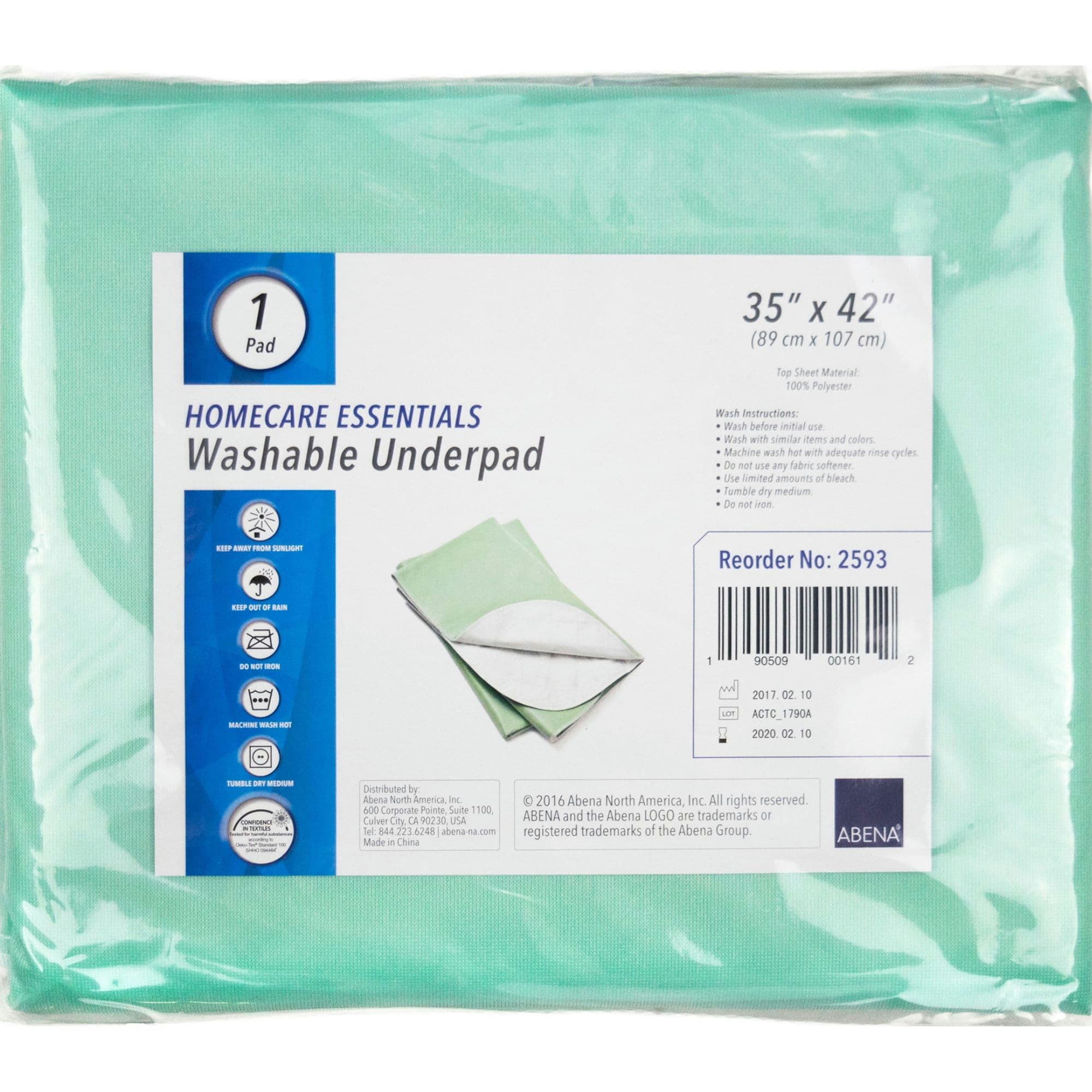
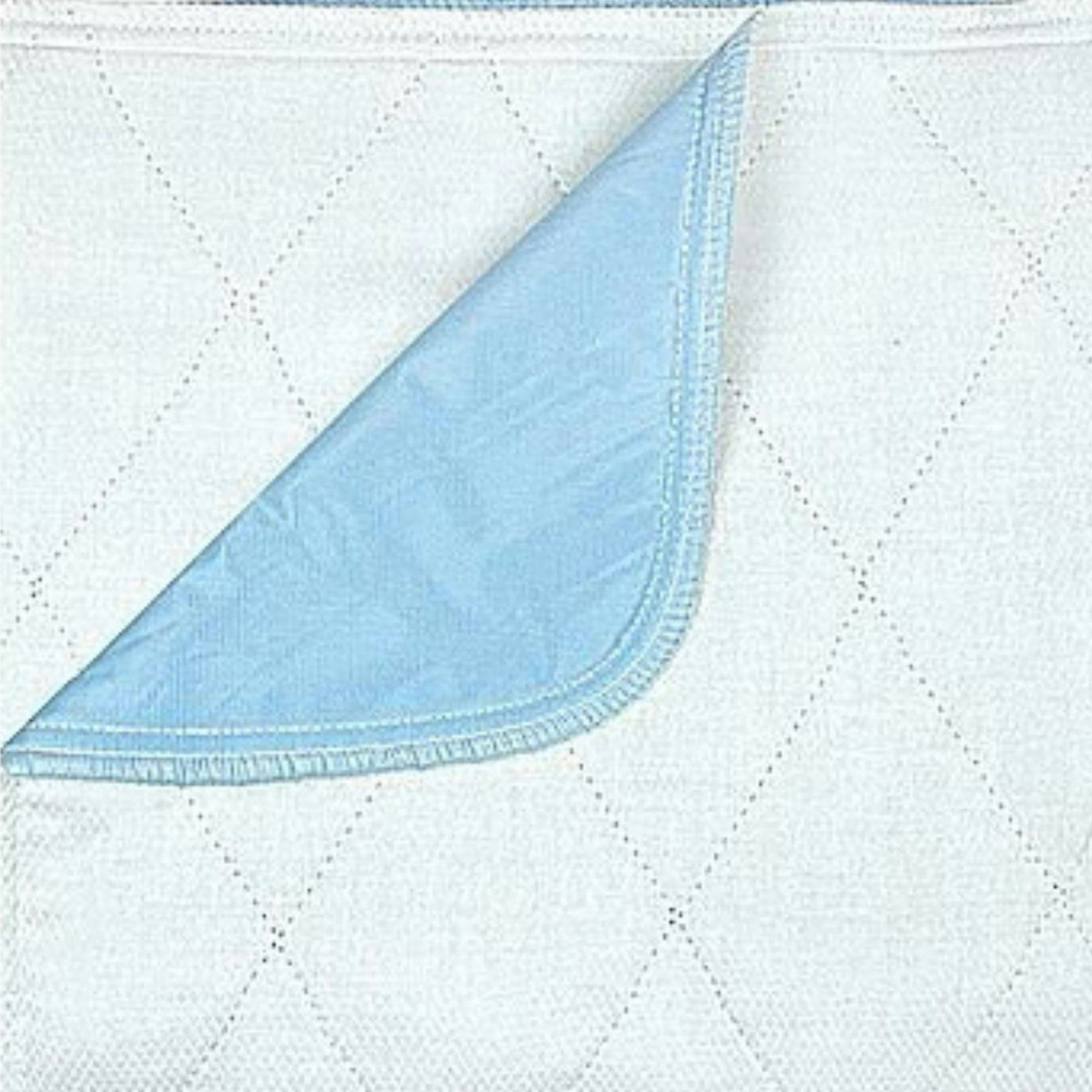
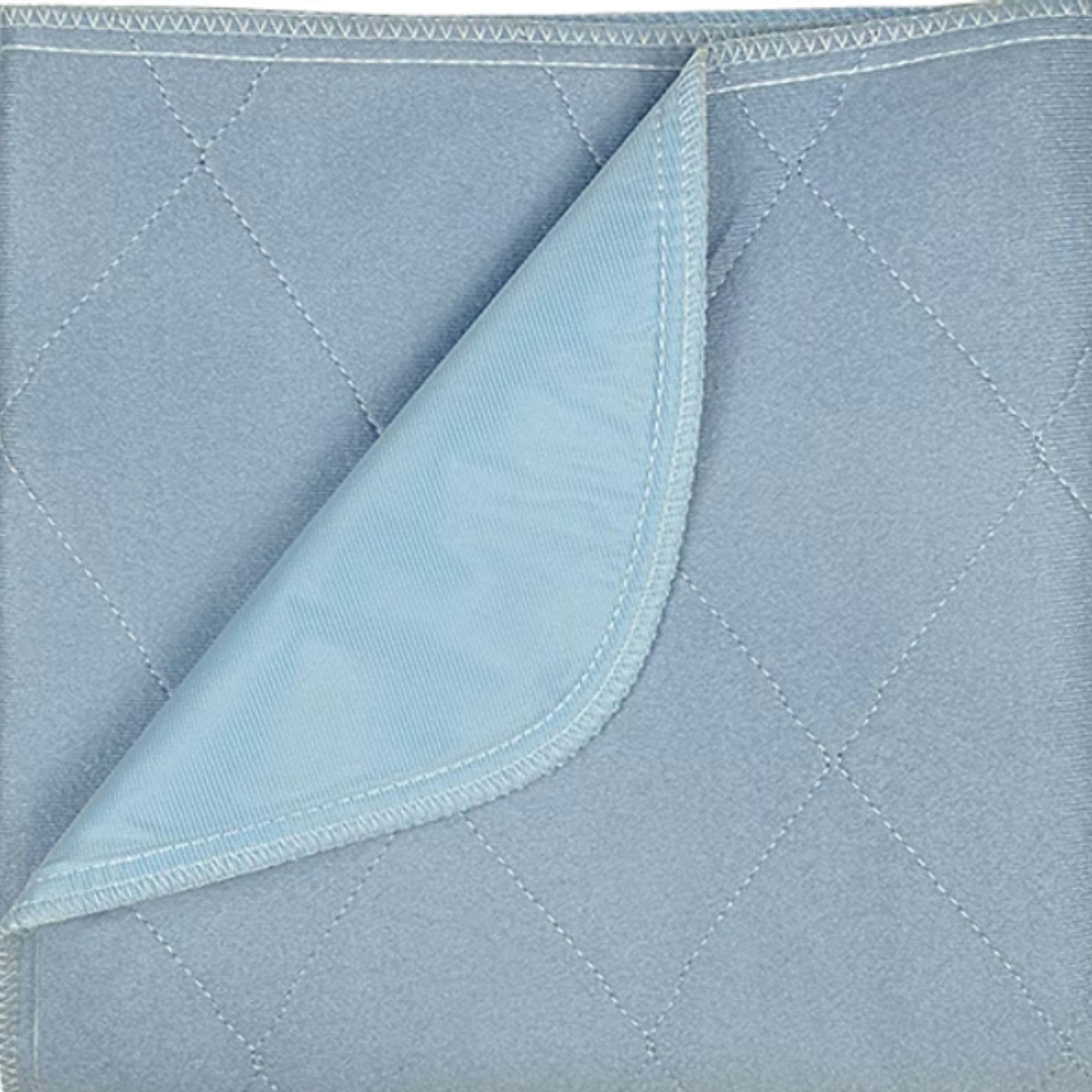
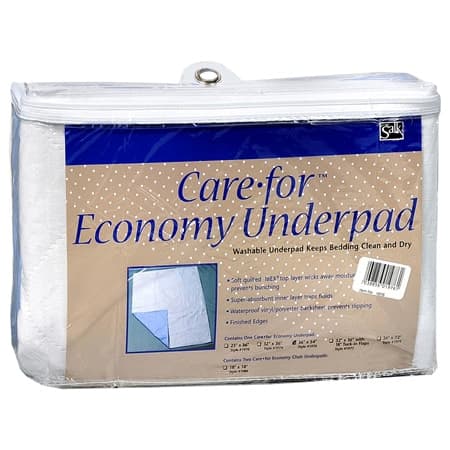
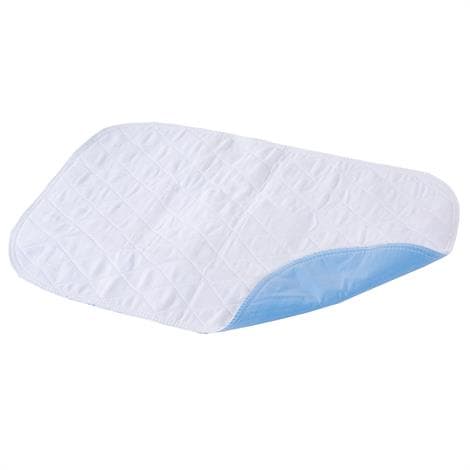
Reusable underpads, also called “chux” or reusable bed pads, are large rectangular pads used to protect surfaces of all kinds from incontinence. They have a soft top sheet, a synthetic quilted inside that absorbs moisture, and a woven back sheet to help prevent slippage.
When incontinence issues are a struggle for your loved one, reusable underpads help keep surfaces clean and dry, as well as helping to reduce odors.
Reusable chux are a great solution:
Yes. These reusable underpads can be placed on a wheelchair, couch, bed, car seat, or anywhere in between to protect against moisture.
Disposable underpads and reusable underpads are both excellent choices for those looking to protect their furniture from incontinence and other moisture. The biggest difference between these two products is that disposable underpads are single-use, while reusable can be washed and used again and again. Reusable underpads tend to be less absorbent than disposable underpads because the core is not made with polymers.
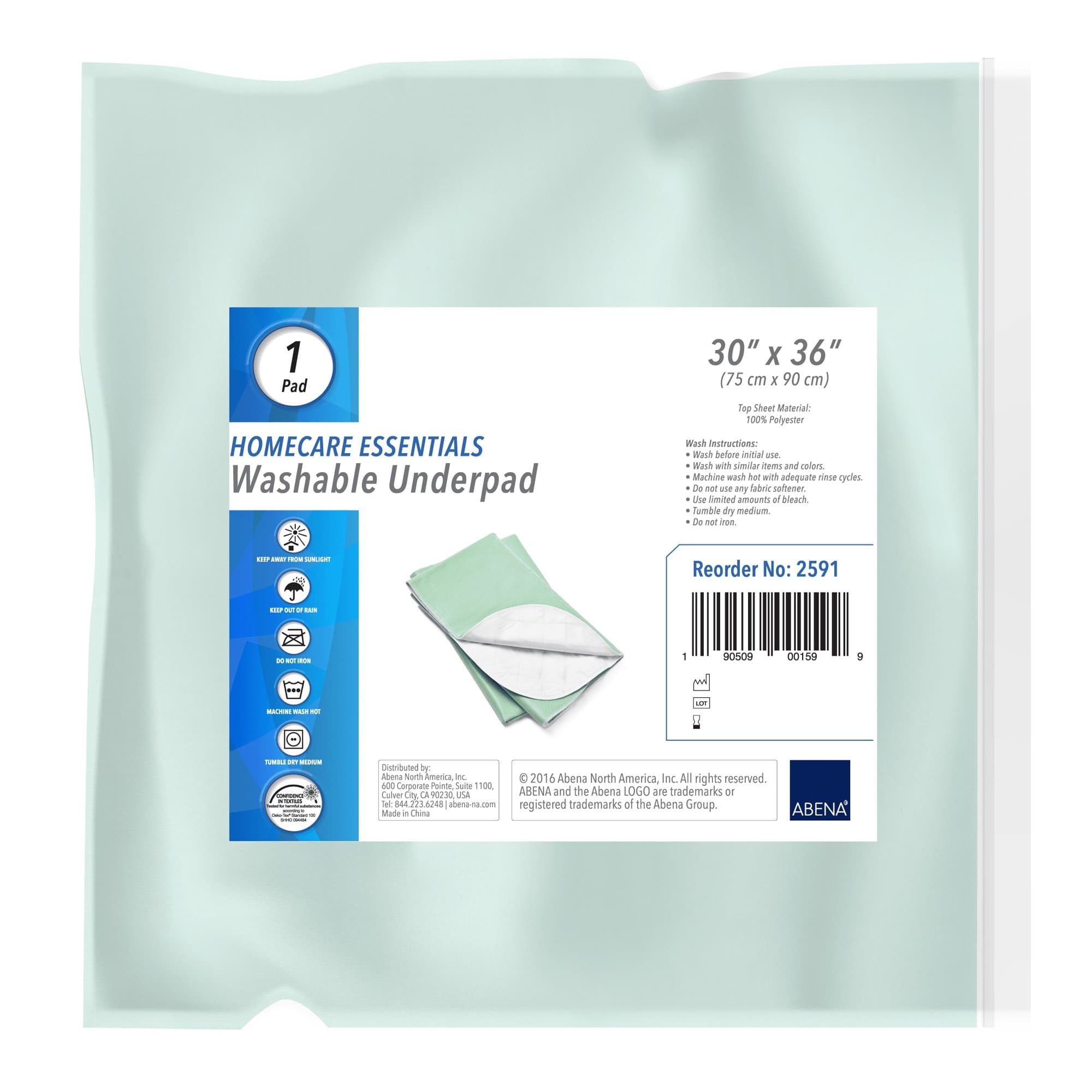
Once the underpad is used, you’ll want to make sure you wash it thoroughly, following the steps below:
Reusable underpads come in various sizes, ranging from 18 x 24 inches all the way up to 36 x 72 inches - the size of a twin-sized bed! Make sure you choose a size that matches both the person that needs protection against incontinence and the furniture the pad is used on. Larger furniture (like beds) will require larger pads, while smaller furniture (like wheelchairs) can get away with smaller pads.
Disposable underpads are best for those who:
Reusable underpads are best for those:
Disposable vs Reusable Underpads Protective Bedding: Underpads vs Mattress Protectors vs Protective Sheets Carewell's Essential Checklist for Bowel Incontinence Care 8 Diet Tips to Help Manage an Overactive Bladder Checklist for Traveling with Urinary Incontinence